Hydroponic nutrients give plants the essential mineral elements they need when growing without soil. Because the root zone cannot draw nutrition from natural soil reserves, the grower must provide a complete and correctly balanced nutrient solution.
This practical guide explains how hydroponic nutrients work, what NPK means, why secondary nutrients and trace elements matter, and how pH, EC, water quality and root health influence nutrient uptake.
Hydroponic nutrients are complete plant fertilisers designed for growing without soil. They supply nitrogen, phosphorus, potassium, calcium, magnesium, sulphur and essential trace elements in forms that roots can absorb from water.
Successful feeding depends on more than adding nutrient concentrate. The solution must also have a suitable pH, appropriate EC, good oxygen availability, stable temperature and sufficient water quality for the nutrient programme being used.
Hydroponic nutrients are water-soluble fertilisers formulated to provide all the mineral elements plants need for healthy roots, leaves, stems, flowers and fruit. They replace the nutrition that plants would normally obtain from fertile soil.
The nutrient concentrate is diluted into water according to the manufacturer's instructions. The solution is then measured and adjusted before being supplied to the plant roots.
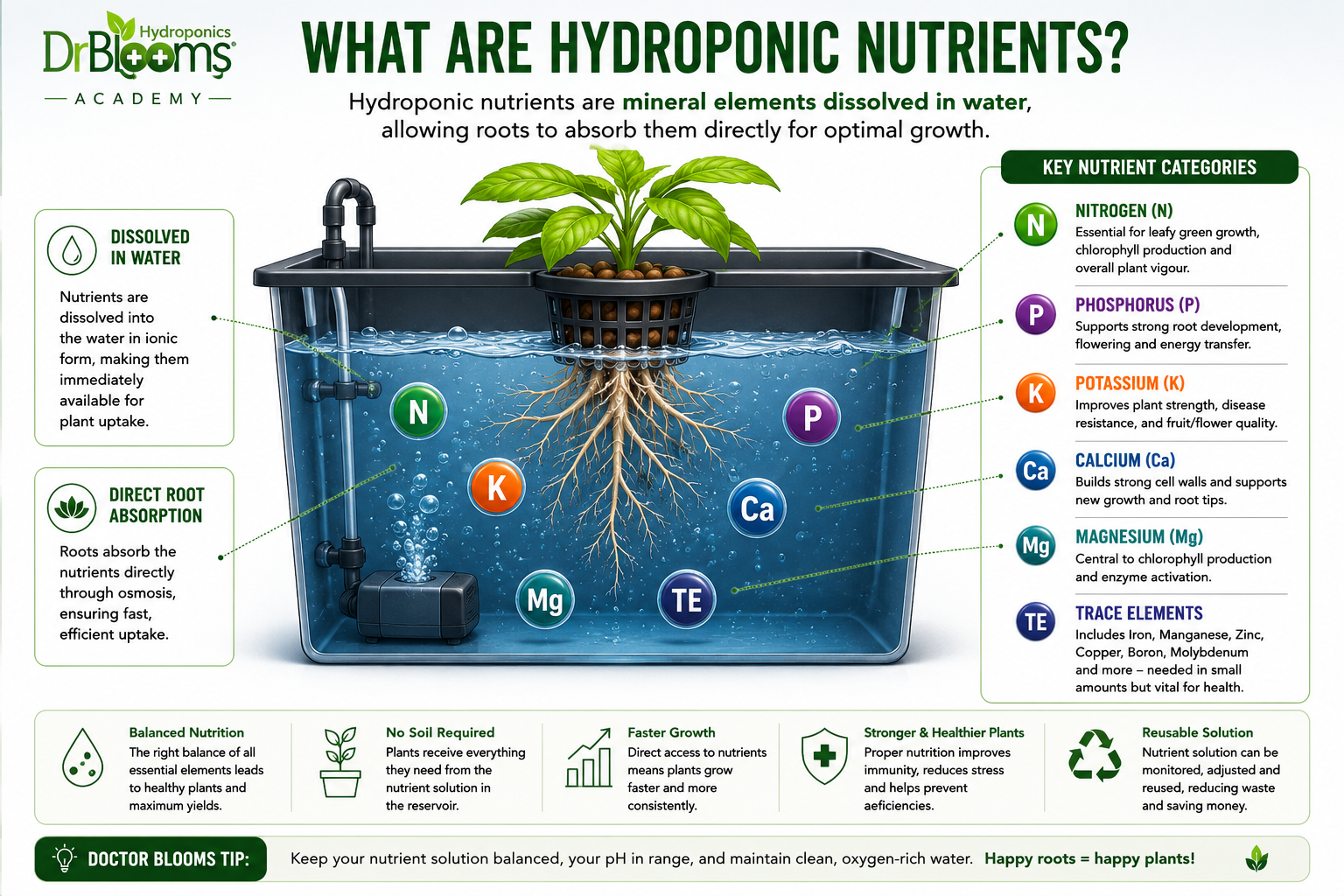
Hydroponic nutrients are specially formulated plant foods designed to dissolve in water. Once dissolved, they separate into electrically charged mineral ions that can be taken up through the root system.
A complete hydroponic feed supplies the primary nutrients nitrogen, phosphorus and potassium alongside calcium, magnesium, sulphur and a carefully balanced range of micronutrients.
Nutrient formulations vary according to the crop, water source, growing medium and stage of development. A feed designed for vegetative growth may contain a different balance from one intended for flowering or fruit production.
Plants do not consume soil itself. They absorb water and dissolved mineral ions through their roots. Hydroponics gives the grower direct control over the availability and concentration of those nutrients.
Plant nutrition directly affects root development, leaf growth, photosynthesis, flowering, fruit formation and the plant's ability to respond to environmental stress.
Even a well-designed grow room with powerful lighting and accurate climate control will underperform when the nutrient solution is incomplete, excessively strong or unavailable because of unsuitable root-zone conditions.
Correct nutrition supports vigorous growth and consistent results. It also makes it easier to distinguish genuine deficiencies from problems caused by pH imbalance, excess salts, poor irrigation or unhealthy roots.
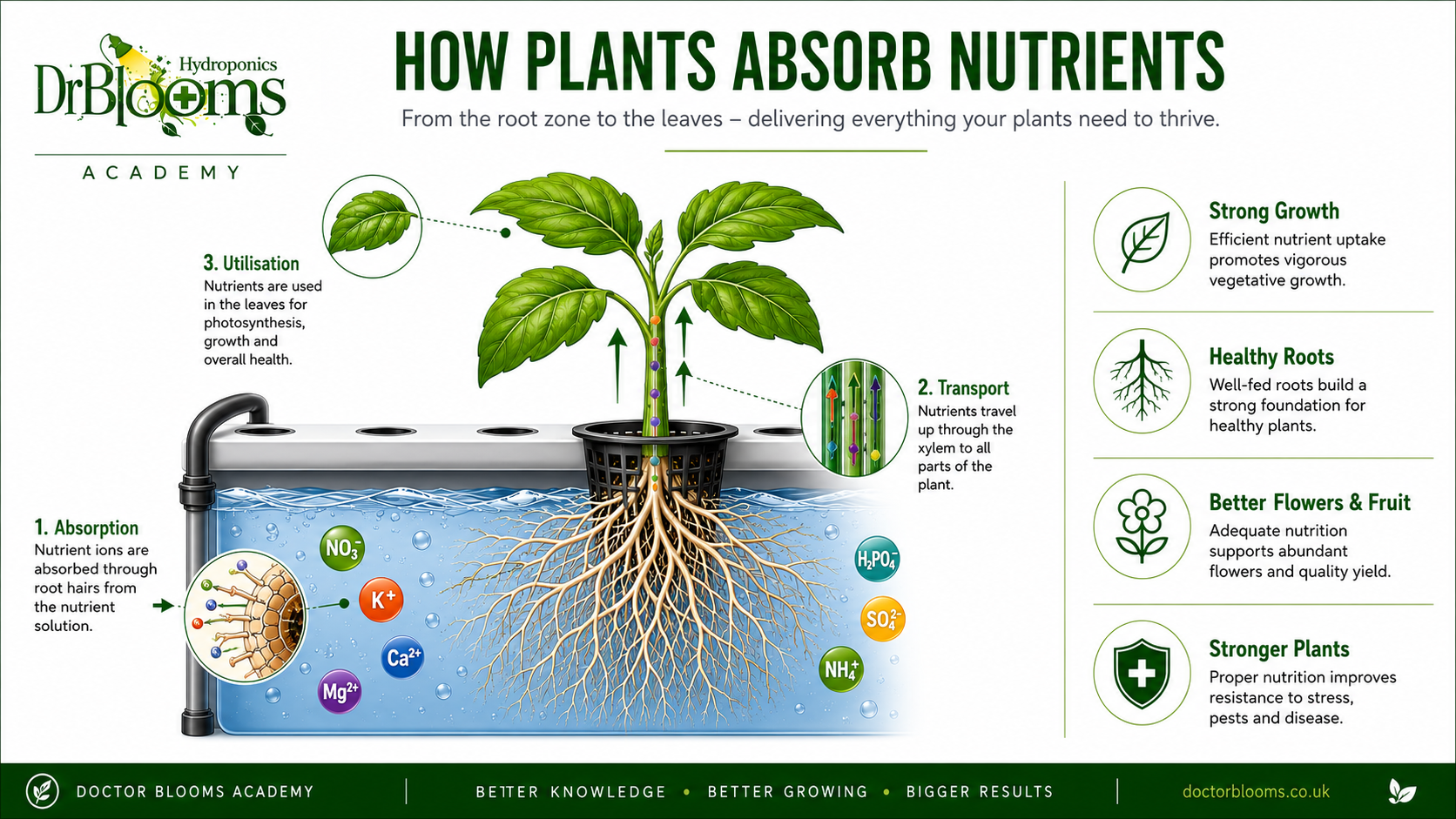
Roots absorb nutrients as dissolved ions from the water surrounding the root surface. These ions move into the plant through a combination of passive movement and energy-dependent transport processes.
Once inside the plant, nutrients are transported to areas where they are needed for chlorophyll production, cell division, structural growth, energy transfer, enzyme activity and flower or fruit development.
Nutrients may be present in the reservoir but still unavailable to the crop. Incorrect pH, excessive EC, low dissolved oxygen, unsuitable root temperature or root disease can all restrict uptake.
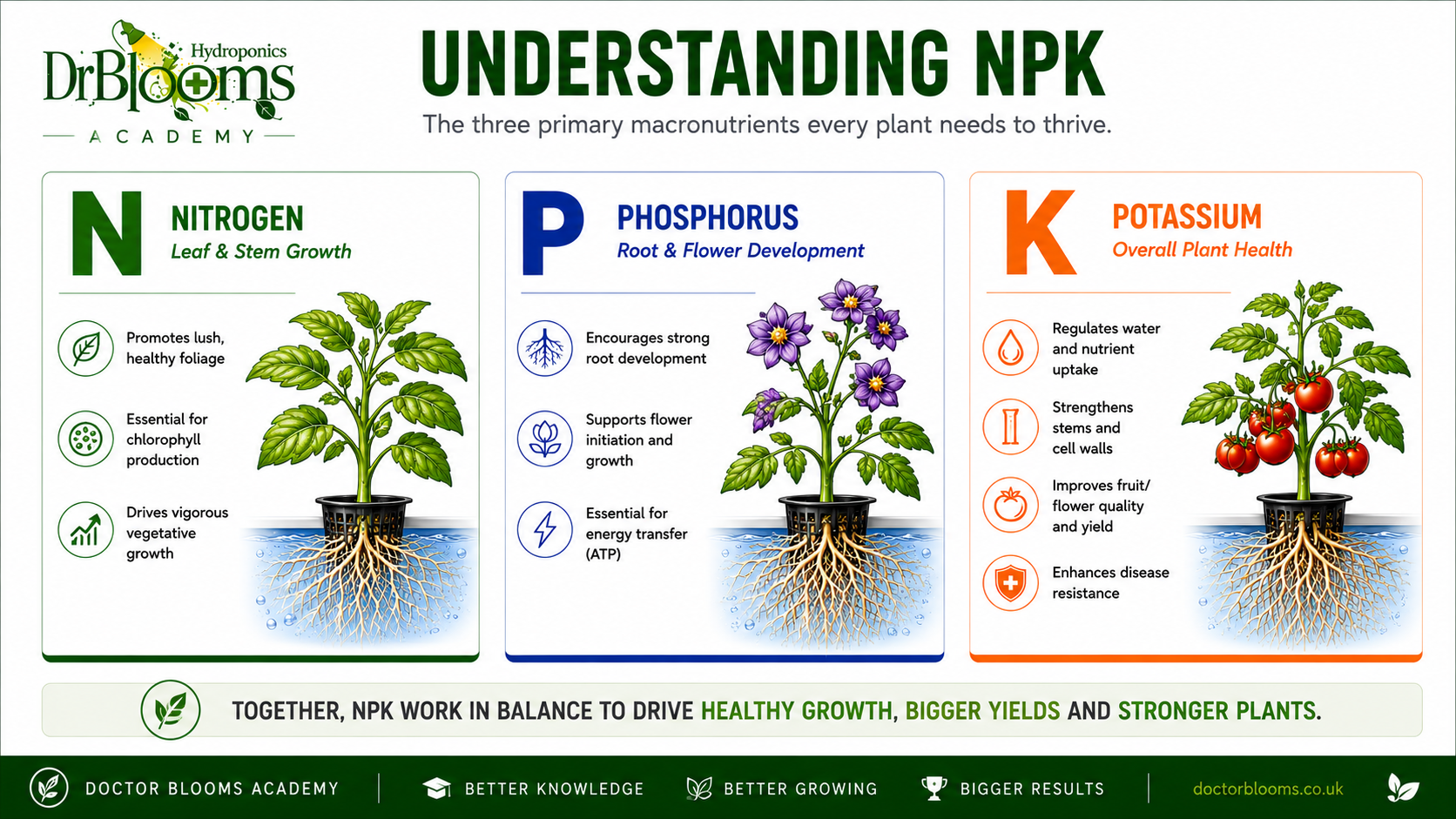
NPK refers to nitrogen, phosphorus and potassium. These are called primary macronutrients because plants require them in comparatively large quantities.
| Nutrient | Main Functions | Particularly Important During |
|---|---|---|
| Nitrogen (N) | Chlorophyll production, proteins, enzymes, leaf growth and vigorous vegetative development. | Vegetative growth and canopy development. |
| Phosphorus (P) | Root establishment, energy transfer, cell division, flowering and reproductive development. | Rooting, transition and flowering. |
| Potassium (K) | Water regulation, enzyme activation, carbohydrate movement, stress response and flower or fruit quality. | All stages, with increased demand in flowering and fruiting crops. |
The NPK numbers shown on fertiliser labels describe the declared proportions of these primary nutrients. A higher number does not automatically mean a better fertiliser. The correct balance depends on the plant, growth stage, water and complete feeding programme.
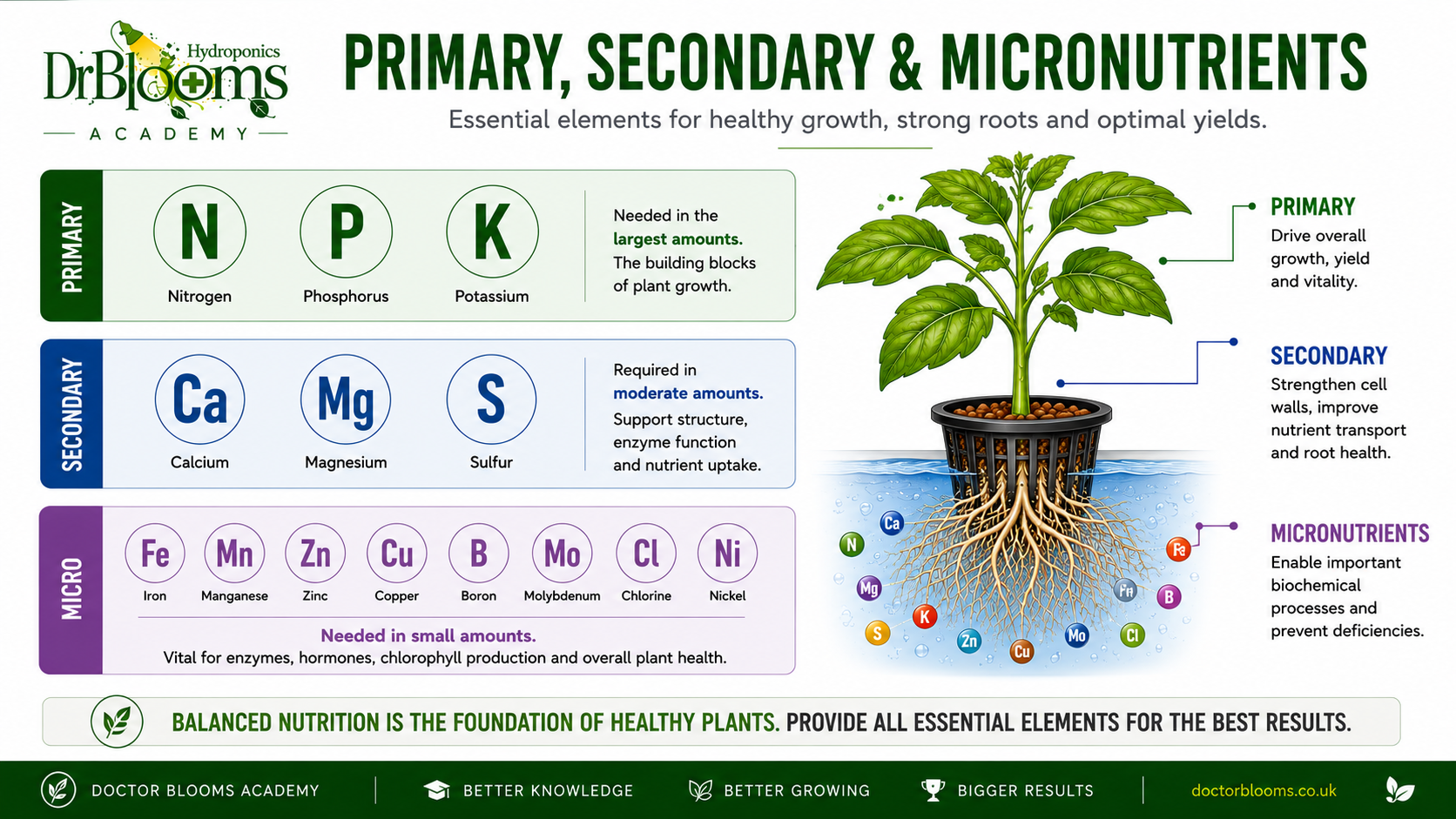
NPK forms only part of a complete plant diet. Calcium, magnesium, sulphur and several micronutrients are also essential. Plants may require smaller quantities of some elements, but a shortage can still restrict growth and reduce crop quality.
| Nutrient Group | Elements | Why Plants Need Them |
|---|---|---|
| Primary macronutrients | Nitrogen, phosphorus and potassium | Needed in large quantities for growth, energy transfer, water regulation and crop development. |
| Secondary macronutrients | Calcium, magnesium and sulphur | Support cell-wall strength, chlorophyll, amino acids, enzymes and healthy new growth. |
| Micronutrients | Iron, manganese, zinc, copper, boron, molybdenum, chlorine and nickel | Required in small amounts for enzyme systems, chlorophyll formation, metabolism and reproductive growth. |
The best hydroponic nutrient range is not necessarily the most expensive or the one with the largest number of bottles. It is the range that suits your water, crop, growing medium, irrigation system and level of experience.
A simple one-part or two-part base nutrient may be ideal for a beginner, while an experienced grower may prefer a more detailed programme containing separate base nutrients, calcium and magnesium supplements, root stimulants, enzymes and flowering additives.
Whatever range you choose, the base nutrient must provide the essential elements required for complete plant growth. Additives should support a complete feeding programme rather than compensate for an incomplete base feed.
Start with a complete base nutrient and learn how your plants respond before adding several boosters. A stable, correctly mixed base feed usually has more influence on crop health than a complicated additive programme.
Hydroponic nutrient products can broadly be divided into mineral and organic or biologically active formulations. Both approaches can grow healthy plants, but they behave differently inside reservoirs, irrigation lines and growing media.
Mineral nutrients contain soluble salts that separate into plant-available ions when mixed with water. They provide precise control over nutrient strength and are commonly used in recirculating hydroponic systems, coco coir, rockwool and automated drip irrigation.
Because mineral feeds dissolve cleanly, they are usually well suited to reservoirs, pumps, narrow irrigation pipework and drippers. Their concentration can also be monitored using an EC meter.
Organic nutrient programmes rely on plant, animal or naturally derived ingredients, often combined with beneficial microorganisms. Some nutrients must first be broken down by biological activity before they become available to the plant.
These products are commonly used in soil, coco and biologically active growing media. Some organic liquids may be unsuitable for fine drippers or permanently recirculating reservoirs because suspended materials can settle, ferment or block irrigation components.
| Feature | Mineral Nutrients | Organic or Biological Nutrients |
|---|---|---|
| Nutrient availability | Generally available directly as dissolved mineral ions. | May depend partly on microbial breakdown. |
| EC monitoring | Usually useful and repeatable. | May not show the full nutrient value of organic ingredients. |
| Reservoir suitability | Well suited to clean recirculating systems. | Product and system compatibility must be checked. |
| Irrigation lines | Normally suitable for pumps and drippers when correctly diluted. | Thicker products may leave deposits or block fine outlets. |
| Management style | Precise measurement and direct control. | Greater emphasis on media biology and microbial health. |
Liquid nutrients are pre-dissolved concentrates that are easy to measure and mix. They are convenient for home growers, smaller reservoirs and anyone who wants a straightforward feeding routine.
Powder nutrients are supplied in a dry, concentrated form. They can reduce packaging, storage space and transport costs, particularly for larger growers. Accurate scales and careful stock-solution preparation may be required.
| Type | Advantages | Considerations |
|---|---|---|
| Liquid nutrients | Easy to measure, quick to dissolve and convenient for small or medium reservoirs. | Heavier to transport and may cost more per litre of final solution. |
| Powder nutrients | Compact, concentrated and often economical for larger volumes. | Requires accurate weighing, dry storage and thorough dissolution. |
A one-part nutrient places the main mineral ingredients into a single bottle or powder. It offers a simple feeding routine and reduces the number of products that must be measured.
One-part feeds can work well, but some formulations must compromise on concentration because certain minerals react when stored together at high strength.
Two-part nutrients normally use separate A and B concentrates. Keeping calcium-rich ingredients apart from concentrated phosphates and sulphates helps prevent reactions inside the bottle.
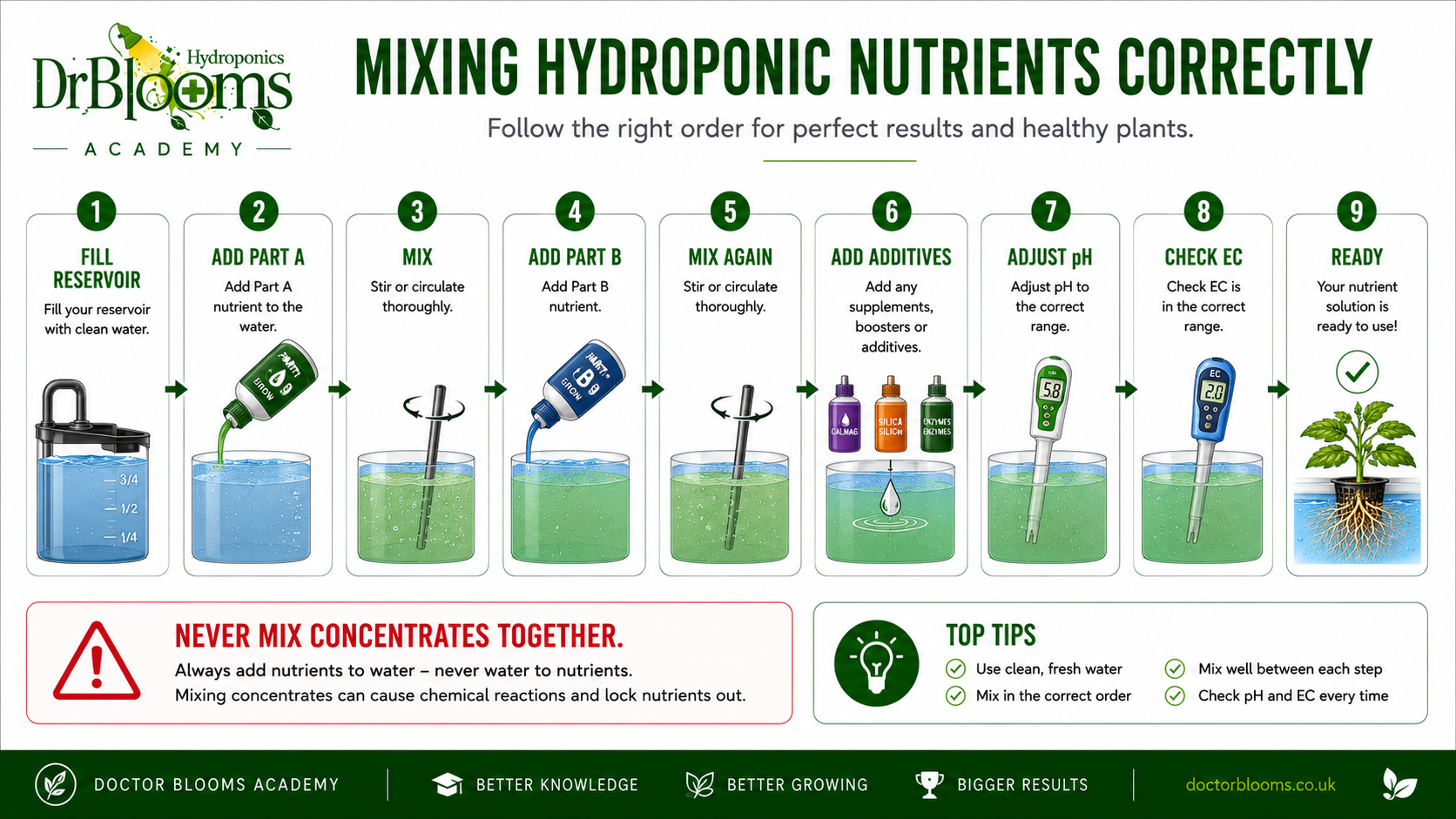
Part A and Part B must never be mixed together in concentrated form. Add one part to the reservoir, stir thoroughly and only then add the second part.
Three-part programmes divide the nutrient formula into separate components that can be adjusted through the crop cycle. This provides flexibility but requires more accurate measuring and a clear understanding of the manufacturer's feeding schedule.
Concentrated nutrient parts can react with each other and form insoluble deposits. Always add each nutrient separately to water and mix thoroughly before adding the next product.
Source water forms the largest part of every nutrient solution, so its quality has a major influence on feeding. Tap water can contain calcium, magnesium, bicarbonates, sodium, chloride and treatment chemicals in varying concentrations.
Hard water usually contains more calcium, magnesium and alkalinity. Soft water may contain fewer useful minerals or may have been softened using sodium, which is generally unsuitable for hydroponic irrigation.
Before choosing a nutrient range, measure the EC of the starting water and, where possible, check its alkalinity or obtain a local water analysis. Some manufacturers offer separate soft-water and hard-water nutrient formulations.
Tap water is suitable for many hydroponic grows, but its composition varies by location. A starting EC that is already high leaves less room for adding nutrients before the final solution becomes too concentrated.
Water with high alkalinity may also push pH upwards and require more acid for adjustment. This is why two growers using the same nutrient dosage can obtain different EC and pH readings.
Reverse osmosis filtration removes a large proportion of dissolved minerals from water. It gives the grower a clean starting point and greater control over the final nutrient profile.
However, very low-mineral water has little buffering capacity and may require a nutrient designed for reverse osmosis water or an appropriate calcium and magnesium supplement.
Always measure the EC of your plain source water before adding nutrients. The final EC reading includes both the minerals already in the water and the nutrients you have added.
Correct mixing reduces the risk of precipitation, inaccurate EC readings and unstable pH. Always follow the manufacturer's instructions because nutrient ranges may specify different mixing orders.
Nutrients should normally be added before the final pH adjustment because the base nutrients and additives can change the solution's pH. Adjusting pH too early can waste acid or alkali and make the final result less predictable.
Never pour concentrated pH Up and pH Down together. Keep them separate and add small amounts to the mixed reservoir while the solution is circulating.
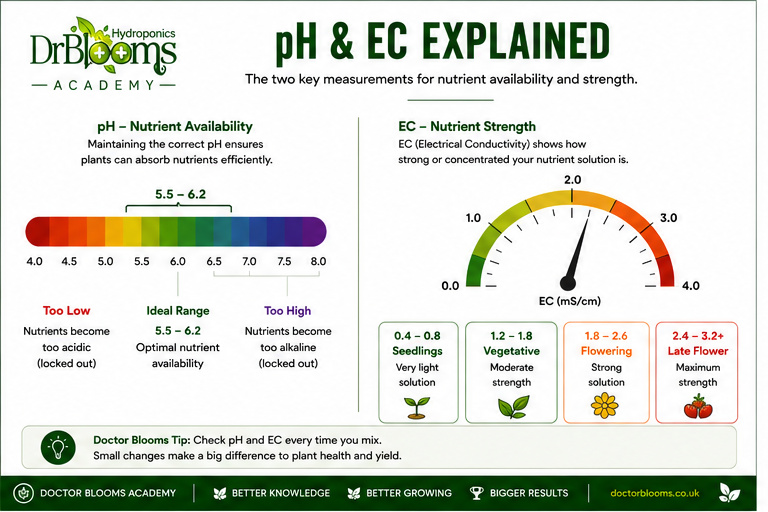
Electrical conductivity, or EC, measures how well a solution conducts electricity. Dissolved mineral ions increase conductivity, so an EC meter provides a practical indication of the total ionic strength of a mineral nutrient solution.
EC does not identify individual nutrients. A reading cannot tell you how much nitrogen, calcium or potassium is present, but it does help growers prepare repeatable nutrient strengths and monitor changes in a reservoir.
A stronger nutrient solution does not automatically produce faster growth. Excessive EC makes it harder for roots to absorb water and can cause tip burn, stalled growth, salt accumulation and nutrient imbalance.
pH describes how acidic or alkaline a solution is. It influences nutrient chemistry, root function and the availability of individual mineral elements.
Many hydroponic crops are grown in a mildly acidic nutrient solution, but there is no single perfect pH for every crop, nutrient range and growing medium. Follow the nutrient manufacturer's guidance and monitor plant response.
A nutrient can be physically present but poorly available when pH moves too far outside the suitable range. This can produce deficiency symptoms even when the reservoir contains enough fertiliser.
Our dedicated pH & EC Explained guide will cover meter calibration, measurement, pH drift, conductivity and reservoir interpretation in greater detail.
Plants do not need the same nutrient strength throughout their entire life. Demand normally increases as roots, leaf area and growth rate develop, but suitable values depend on the crop, environment, water and nutrient formulation.
| Growth Stage | Nutritional Priority | Key Considerations |
|---|---|---|
| Seedling and cutting | Gentle nutrition and root establishment. | Young roots are easily damaged by excessive salts. |
| Early vegetative growth | Root expansion, leaf development and structural growth. | Increase feed gradually as growth accelerates. |
| Established vegetative growth | Strong canopy development and active photosynthesis. | Balance nutrition with light intensity and environmental demand. |
| Transition | Continued structural growth with developing reproductive demand. | Avoid abrupt programme changes unless directed by the manufacturer. |
| Flowering and fruiting | Flower formation, fruit development and carbohydrate movement. | Demand can remain high, but excessive salts still restrict water uptake. |
| Final stage | Crop-specific finishing programme. | Follow the nutrient manufacturer's crop guidance rather than applying a universal rule. |
Seedlings and newly rooted cuttings have small, sensitive root systems. They generally require a weaker nutrient solution than established plants.
Begin with the manufacturer's recommended seedling or propagation strength. Increase feeding gradually as roots become established and active growth begins.
Overfeeding young plants may cause dark leaves, burnt tips, reduced root growth and slow establishment. Weak plants should not automatically be given stronger feed because temperature, humidity, irrigation and root oxygen may be the real limiting factors.
During vegetative growth, plants develop roots, stems, branches and leaf area. Nitrogen plays an important role, but calcium, magnesium, potassium, sulphur and micronutrients remain essential.
Nutrient demand normally rises as plant size, light intensity and transpiration increase. Adjust feed progressively and monitor new growth rather than making sudden increases.
Flowering and fruiting plants require a balanced programme that supports reproductive development while maintaining healthy leaves and roots.
Phosphorus and potassium are associated with flowering, energy transfer and water regulation, but this does not mean that plants should receive unlimited amounts. Excessive phosphorus or potassium can interfere with the uptake of calcium, magnesium and other elements.
A well-designed flowering nutrient already contains an appropriate balance. Boosters should be used according to the manufacturer's programme rather than added simply because flowering has started.
The term flushing can describe several different practices, including correcting salt accumulation in a growing medium, replacing an imbalanced reservoir or reducing nutrients near harvest.
A corrective flush may be useful where excess salts have accumulated, but repeatedly saturating roots with plain water can also disrupt nutrition and root-zone oxygen. The correct approach depends on the crop, medium, irrigation method and reason for flushing.
Follow the nutrient manufacturer's finishing guidance and avoid treating every crop with the same universal flushing schedule.
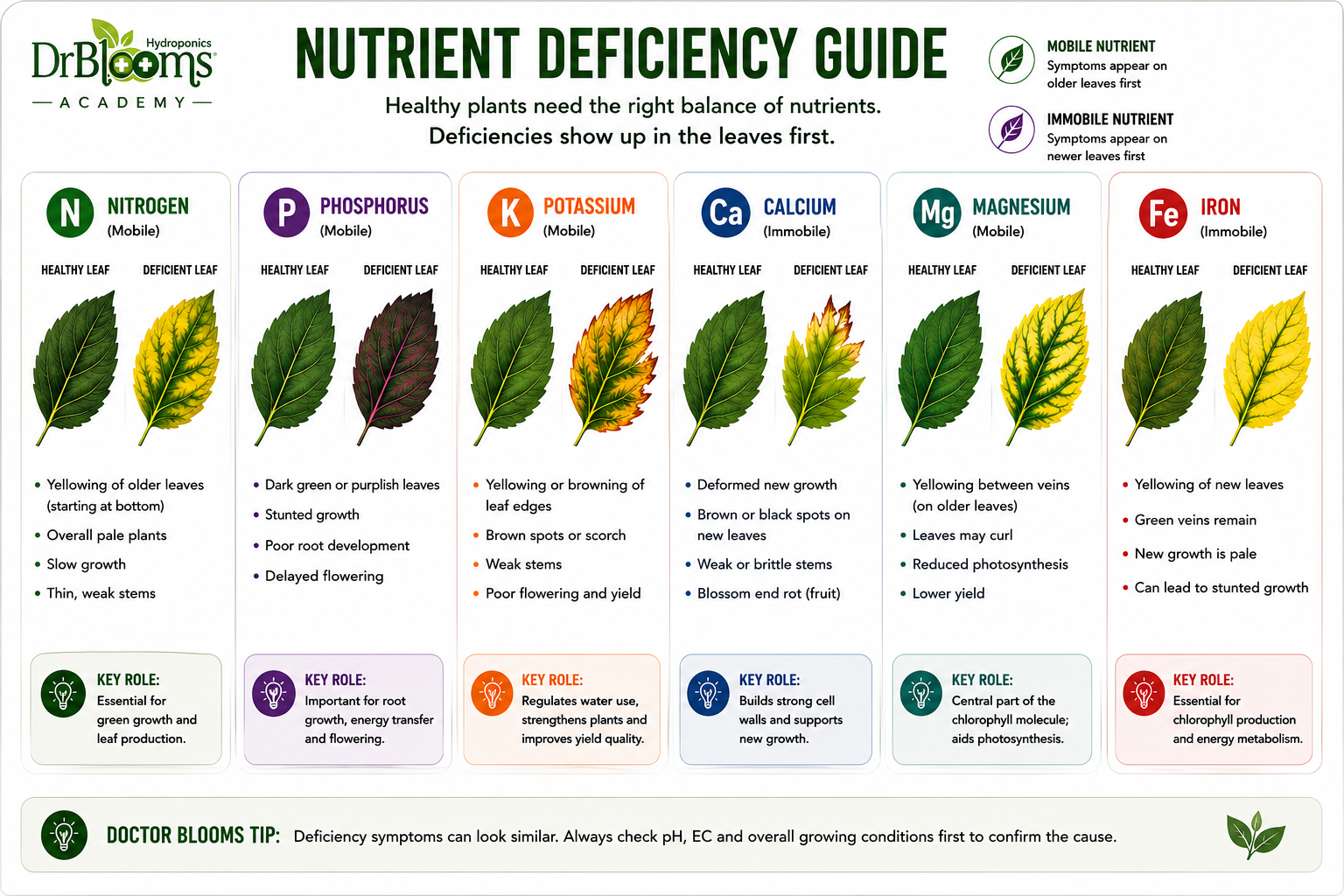
A nutrient deficiency occurs when a plant cannot obtain enough of an essential element. This may be caused by an incomplete feed, weak nutrient strength, unsuitable pH, damaged roots, excessive EC, poor irrigation or antagonism between nutrients.
Leaf appearance alone is not always enough for an accurate diagnosis. Several root-zone and environmental problems can produce similar yellowing, spotting or burnt edges.
| Possible Problem | Common Signs | What to Check First |
|---|---|---|
| Nitrogen shortage | Older leaves may become pale or yellow and growth can slow. | Feed strength, root condition and crop stage. |
| Calcium shortage | Distorted new growth, weak tissues or localised damage. | Water composition, transpiration, humidity and root health. |
| Magnesium shortage | Interveinal yellowing often begins on older leaves. | pH, potassium level, source water and nutrient balance. |
| Iron shortage | New growth becomes pale while veins may remain greener. | Root-zone pH, oxygen, temperature and root damage. |
| Potassium imbalance | Leaf-edge damage, spotting or reduced plant strength. | Overall EC, nutrient ratios and salt accumulation. |
Nutrient toxicity occurs when one or more elements are present at excessive levels. Overfeeding may create dark foliage, burnt leaf tips, downward curling, reduced water uptake, slow growth and increasing root-zone EC.
High nutrient strength can make water physically harder for roots to absorb. Plants may appear wilted even when the growing medium or reservoir contains plenty of water.
Correcting overfeeding normally involves identifying the cause, reducing nutrient strength and checking for accumulated salts. Avoid making several major changes simultaneously because this makes plant response harder to interpret.
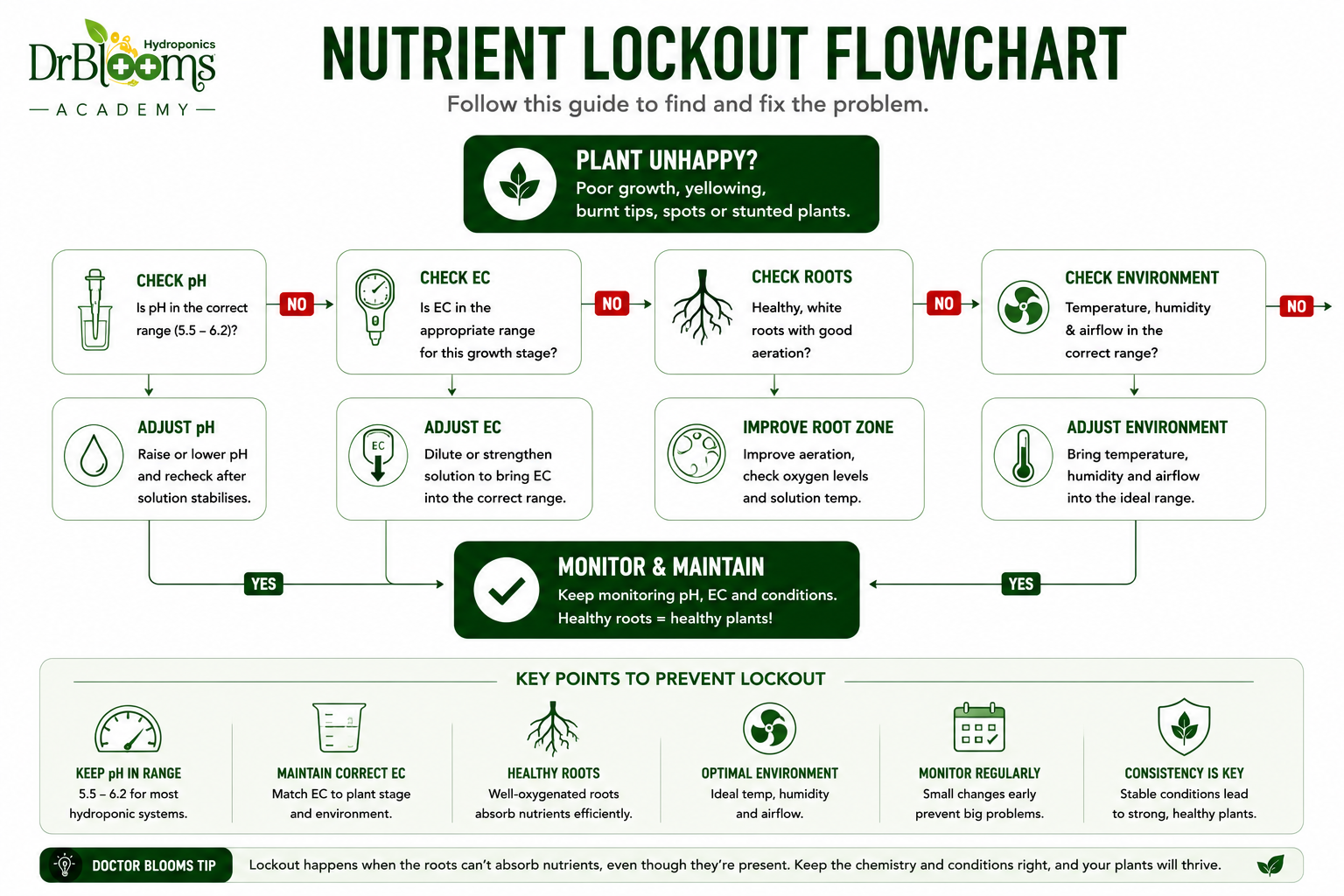
Nutrient lockout is a general term used when nutrients are present but cannot be absorbed or used effectively by the plant. It is commonly associated with unsuitable pH, excessive salt concentration, damaged roots or nutrient imbalance.
Adding more fertiliser to a locked-out plant can make the problem worse. Check pH, EC, source water, root appearance, reservoir temperature, irrigation performance and recent feeding changes before increasing dosage.
Products from different brands can sometimes be compatible, but mixing complete programmes increases the risk of duplicated ingredients, unsuitable ratios and excessive EC.
For example, a base nutrient and two separate additives may all contain potassium. Used together at full dosage, the combined concentration may be much higher than intended.
Beginners should usually follow one manufacturer's core programme until they understand how the crop responds. Experienced growers combining brands should compare ingredients, reduce overlapping products and monitor EC carefully.
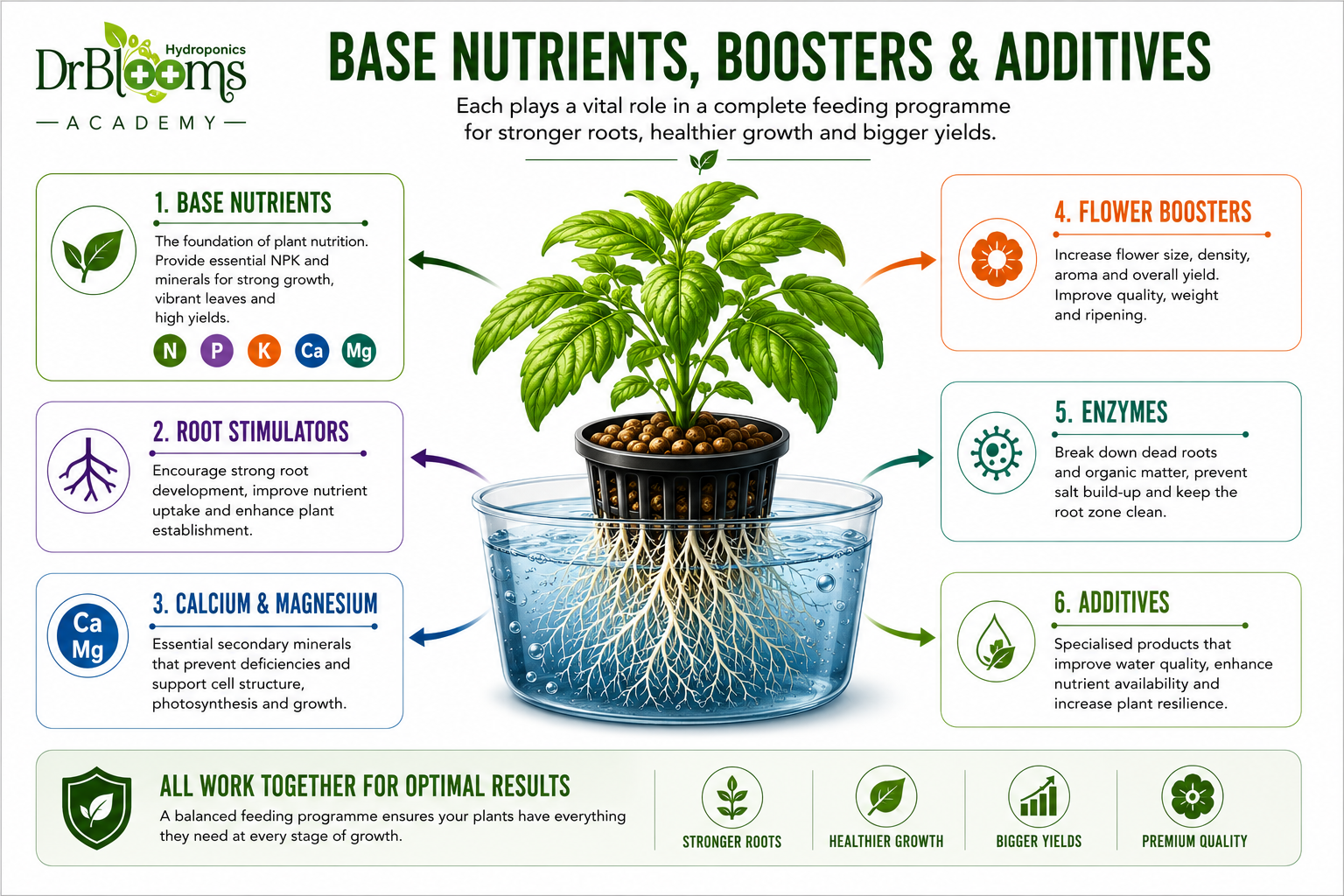
The base nutrient provides the core mineral elements required for plant growth. It should remain the foundation of the feeding programme.
Root products are designed to support establishment, root branching or beneficial root-zone biology. They are not a substitute for correct oxygen, irrigation and temperature.
Calcium and magnesium supplements may be useful with reverse osmosis water, certain coco programmes or under high plant demand. They should not be added automatically without considering what is already present in the water and base nutrient.
Enzyme products are commonly used to help break down dead organic root material and support a cleaner root zone. Compatibility depends on the wider biological programme.
Flowering additives may contain phosphorus, potassium, amino acids, seaweed extracts, carbohydrates or other ingredients. They should complement the base nutrient and be applied at the recommended stage and dosage.
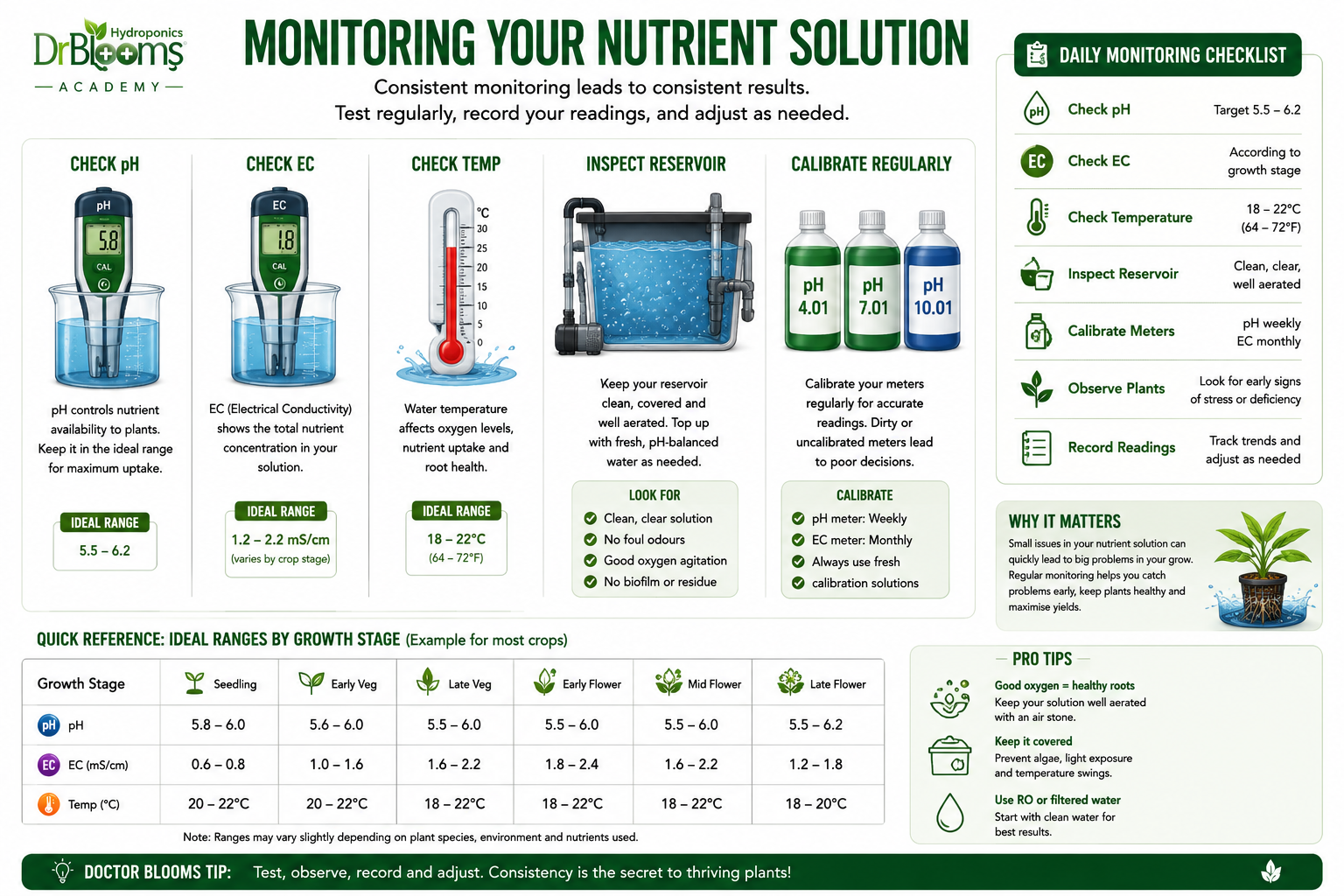
Reliable measurement makes nutrient management more repeatable. The most useful readings are normally EC, pH and nutrient-solution temperature.
Record readings after mixing and check them regularly in recirculating reservoirs. Changes over time can show whether plants are taking up proportionally more water or more minerals.
Doctor Blooms stocks Bluelab meters and controllers for measuring and managing pH, EC and nutrient-solution temperature.
Never make major feeding changes based on an unverified meter reading. Clean and calibrate pH equipment regularly and check conductivity meters using the correct standard solution.
Hydroponic plants require nitrogen, phosphorus, potassium, calcium, magnesium, sulphur and essential micronutrients including iron, manganese, zinc, copper, boron and molybdenum.
General garden fertilisers may not contain a complete hydroponic nutrient profile and may include ingredients that do not dissolve cleanly. Use a fertiliser specifically formulated for hydroponic or soilless growing.
The correct frequency depends on whether the system drains to waste, recirculates or uses a self-watering reservoir. Follow the nutrient and system instructions while monitoring EC, pH and plant response.
Nutrients can deteriorate, separate or crystallise during poor storage. Keep containers sealed, away from extreme temperatures and direct sunlight, and follow the manufacturer's storage and shelf-life guidance.
Cloudiness can result from precipitation, biological growth, incompatible additives, incorrect mixing order or contamination. Check the product instructions, reservoir temperature and cleanliness before using the solution.
Not automatically. The requirement depends on source water, base nutrient, growing medium and crop demand. Excess calcium or magnesium can create imbalances as easily as a shortage.
There is no universal EC for every plant and stage. Use the nutrient manufacturer's crop guidance and adjust according to plant size, environment, water quality and observed response.
Some organic nutrients can be used in soilless and hydroponic applications, but not every product suits recirculating reservoirs, pumps or fine drippers. Always confirm system compatibility.
Nutrients react with the water's alkalinity and alter its chemistry. Plant uptake, aeration, temperature and microbial activity can also make pH rise or fall over time.
No. Deficiency symptoms can be caused by unsuitable pH, excessive EC, root damage, low oxygen, temperature problems, irrigation faults or interactions between nutrients.
Hydroponic nutrition works alongside water quality, pH, EC, growing media and environmental control. Continue building your knowledge with the next Doctor Blooms guides.
The correct nutrient range depends on your water, crop, growing medium and irrigation system. Visit the Doctor Blooms showroom in Bishop's Stortford or contact our team for practical advice.
Shop Plant Nutrients Contact Doctor Blooms