Quick Answer: Low energy grow lights provide gentle, efficient illumination for seedlings, cuttings, clones, propagation and mother plants. They use less electricity and produce considerably less heat than high-powered grow lights, helping create stable conditions for healthy early plant development.
Low energy grow lighting is designed for plants that need consistent illumination without the intense output or heat produced by flowering lights. It is particularly useful for seed germination, rooting cuttings, maintaining young plants and keeping mother plants in healthy vegetative growth.
Doctor Blooms stocks a range of efficient propagation lights, including T5 fluorescent fixtures, TLED grow lights, LED clone bars and low-wattage lamps. These compact lighting systems are suitable for propagation tents, shelving units, grow racks and smaller indoor growing areas.
New to indoor cultivation? Read our Hydroponics Explained guide to learn how lighting, propagation, nutrients and environmental control work together.
Gentle illumination with minimal radiant heat helps protect delicate seedlings, cuttings and newly rooted plants.
Lower power consumption helps reduce running costs while providing reliable lighting for long daily photoperiods.
Suitable for seedling trays, clones, rooted cuttings, young plants and compact mother-plant areas.
Slim fixtures can be installed above propagation trays, shelving systems and small grow spaces.
Low energy grow lights are lower-wattage horticultural fixtures intended for plants that do not require the intense light levels used during mature vegetative growth or flowering. They provide consistent illumination while producing relatively little heat, making them well suited to enclosed propagation spaces and heat-sensitive young plants.
Modern systems commonly use efficient LED or fluorescent technology to distribute light evenly across propagation trays, cloning stations, shelving units and compact grow tents.
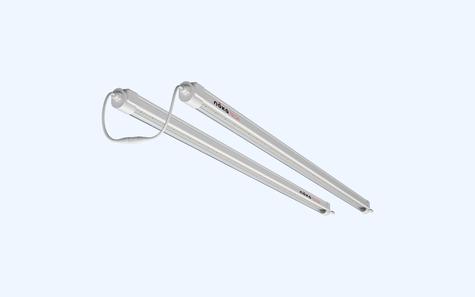
Fluorescent fixtures that provide broad, even light distribution for seedlings, cuttings and early vegetative growth.
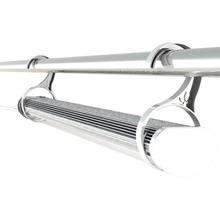
Slim LED strip lights designed for propagation racks, shelving systems and compact growing environments.
Purpose-built propagation lights that provide uniform coverage across clone trays and young plants.
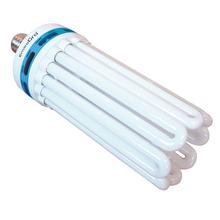
Compact lamps suitable for smaller propagation areas and situations where gentle supplementary lighting is required.
| Seed Germination | Provides gentle lighting for healthy emergence and early seedling development. |
| Cuttings and Clones | Supports rooting and early growth without creating excessive heat or plant stress. |
| Mother Plants | Suitable for maintaining compact, healthy mother plants where intense flowering light is unnecessary. |
| Supplementary Lighting | Can provide additional illumination for propagation shelves, shaded areas and smaller plant-growing spaces. |
The best fixture depends on the size of the propagation area, the number of trays or shelves being illuminated and the stage of plant development. T5 fluorescent systems remain useful for broad propagation benches, while TLED fixtures and LED clone bars provide greater efficiency and a slimmer profile for modern shelving systems.
Position the light close enough to provide useful intensity without causing bleaching, excessive leaf temperature or uneven growth. Always follow the manufacturer's hanging-height and coverage recommendations.
When plants move into stronger vegetative growth or flowering, they will normally require a higher-output full-spectrum LED grow light with greater intensity and canopy penetration.
Low energy grow lights are efficient, lower-wattage horticultural fixtures used for propagation, seedlings, cuttings, clones, mother plants and other applications where moderate light intensity is sufficient.
Most low energy propagation lights do not provide enough intensity for productive flowering across a mature plant canopy. A higher-powered LED or HPS system is normally more suitable for flowering plants.
T5 lights can still provide effective, even coverage for propagation and early growth. However, modern LED alternatives generally consume less electricity, last longer and produce less heat.
T5 fixtures use fluorescent tubes, while TLED fixtures use light-emitting diodes. TLED systems are usually slimmer, more energy efficient and longer lasting, although the exact performance varies between products.
They produce considerably less heat than high-powered flowering lights, but they are not completely heat-free. Good air circulation should still be maintained around propagation trays and fixtures.
Whether you are setting up a propagation area or maintaining healthy mother plants, Doctor Blooms can help you choose suitable low energy grow lighting. Call 01279 501857 or visit our Bishop's Stortford hydroponics showroom for practical advice.