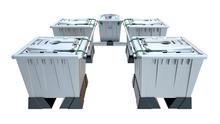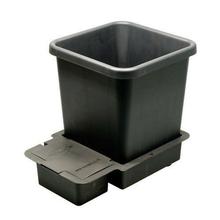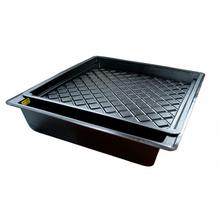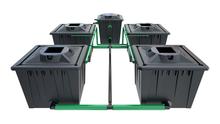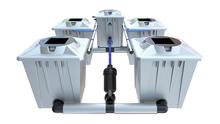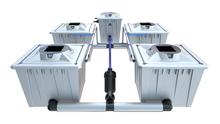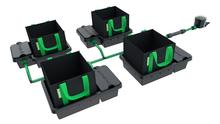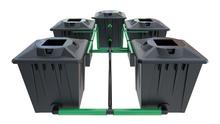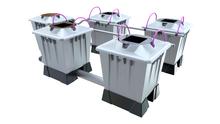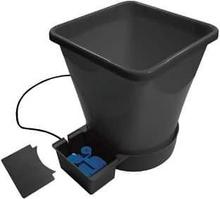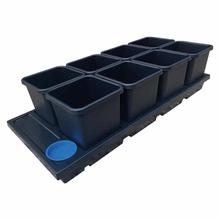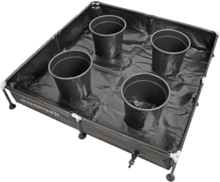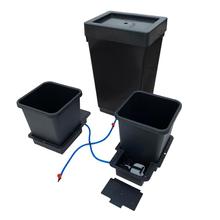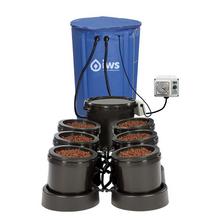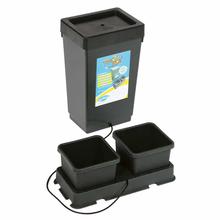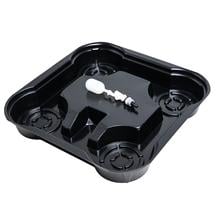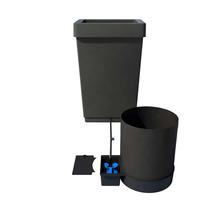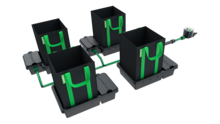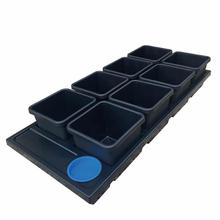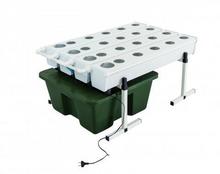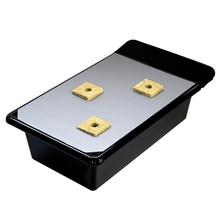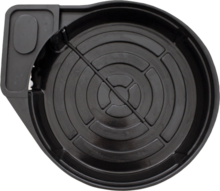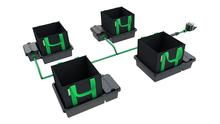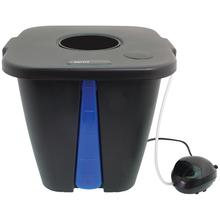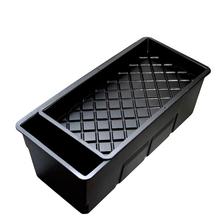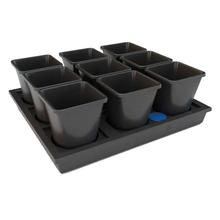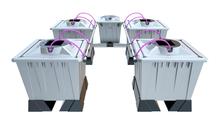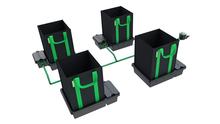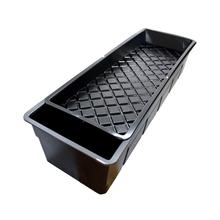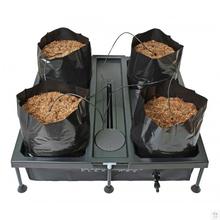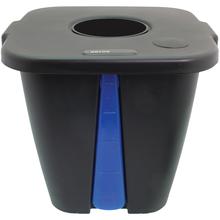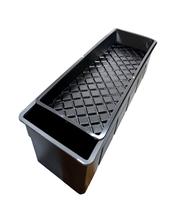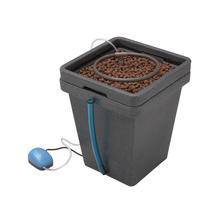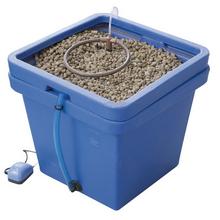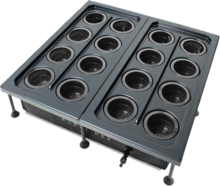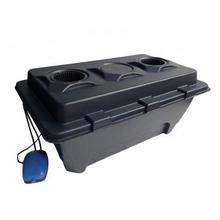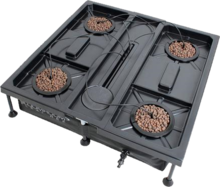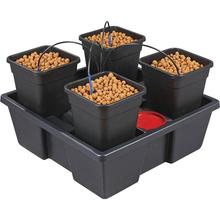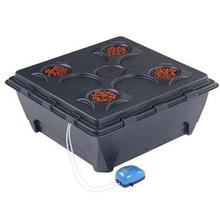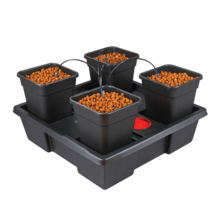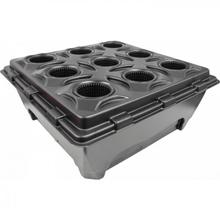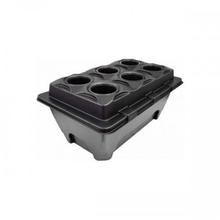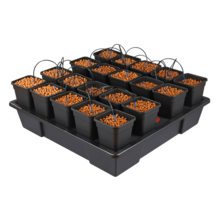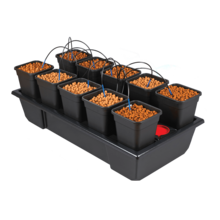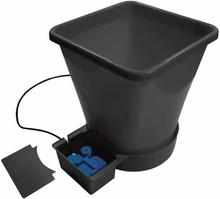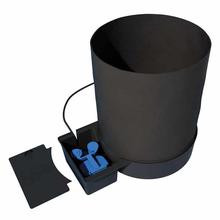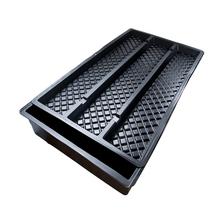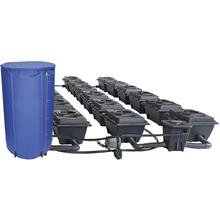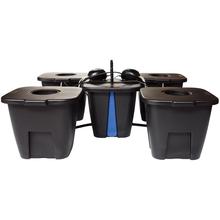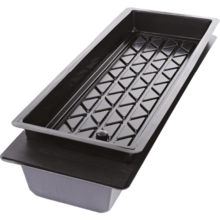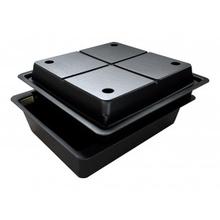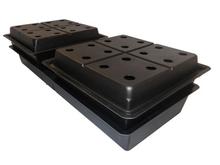


ALIEN RAIN (4 to 48 Pot) 15L PRO Silver Series
From
£875.00
Quick Answer
Hydroponic grow systems cultivate plants without conventional soil by supplying water, mineral nutrients and oxygen directly to the root zone. Choose from DWC, RDWC, NFT, flood-and-drain, drip-fed, aeroponic, self-watering and hybrid systems for indoor gardens of almost any size.
Shop complete hydroponic grow systems for indoor cultivation, from compact single-plant units to large modular installations. Doctor Blooms stocks systems for beginners, experienced home growers and professional facilities, with options suitable for coco, clay pebbles, rockwool and water-based cultivation.
A correctly selected hydroponic system can automate irrigation, improve consistency and give you much greater control over the root zone. Rather than hand-watering every container, water and nutrients are delivered through a controlled reservoir, pump, dripper, flood cycle or gravity-fed valve.
New to indoor growing? Visit our Indoor Growing & Hydroponics Explained guide for help understanding grow lights, nutrients, ventilation, irrigation and environmental control.
A hydroponic grow system supports plants and delivers nutrient solution without relying on traditional soil. Depending on the design, roots may sit directly in oxygenated water, receive nutrient solution through drippers or be exposed to a flowing film, timed flood cycle or fine spray.
Each method offers different advantages. Simple gravity-fed systems can reduce daily maintenance, while advanced recirculating systems provide central control over several plants from one reservoir.
Deliver water and nutrients at controlled intervals instead of relying entirely on manual watering.
Balance moisture, mineral nutrition and oxygen around the roots for consistent plant development.
Recirculating and accurately metered systems can reduce unnecessary water and nutrient waste.
Choose compact single-pot kits, modular multi-plant systems or expandable professional installations.
Before choosing a system, consider:
Browse the complete range below or use the detailed buying guide underneath the products to compare the main hydroponic system types.
Doctor Blooms supplies complete hydroponic grow systems for indoor gardens, grow tents, propagation areas and professional cultivation facilities. Our range includes simple single-pot systems, multi-pot irrigation kits, modular recirculating systems and complete installations designed to support large plants.
Choosing the right system is not simply a matter of buying the largest model. The most suitable option depends on plant numbers, available space, growing medium, maintenance requirements and how much direct control you want over irrigation.
Use the comparison and system guide below to narrow down your options. For more detailed technical advice, contact our team before ordering.
Compare Systems | DWC | RDWC | NFT | Flood & Drain | Drip Feed | Aeroponics | Self-Watering | Brands | FAQs
| System | How It Works | Suitable For | Maintenance | Experience |
|---|---|---|---|---|
| DWC | Roots sit in continuously aerated nutrient solution. | Compact gardens and vigorous plants. | Low to medium | Beginner to advanced |
| RDWC | Connected plant modules circulate solution through a central reservoir. | Larger plants and scalable gardens. | Medium | Intermediate to advanced |
| NFT | A shallow film of nutrient solution flows beneath the roots. | Leafy crops, herbs and compact growing. | Medium | Beginner to intermediate |
| Flood & Drain | Pots or trays are periodically flooded and then drained. | Clay pebbles, mixed crops and modular layouts. | Low to medium | Beginner to advanced |
| Drip Feed | Individual drippers deliver solution to each plant container. | Coco, rockwool and mixed media. | Low to medium | Beginner to advanced |
| Aeroponics | Exposed roots receive nutrient solution as a mist or spray. | Propagation and high-oxygen root zones. | High | Intermediate to advanced |
| Self-Watering | A reservoir supplies plants automatically through valves or capillary action. | Low-maintenance indoor gardens. | Very low | Beginner |
| Hybrid | Combines features from two or more hydroponic methods. | Growers wanting additional flexibility. | Medium to high | Intermediate to advanced |
Deep Water Culture systems suspend plant roots in a container of aerated nutrient solution. An air pump and air stone supply oxygen continuously, while the nutrient solution remains available directly around the roots.
DWC systems are available as compact single-pot units and larger multi-plant kits. They contain relatively few irrigation components and are often chosen by growers who want a direct introduction to water-based hydroponics. Reservoir temperature and aeration must remain stable because the roots stay continuously immersed.
RDWC systems connect several growing modules to a shared control reservoir. Water circulates through the entire system, helping maintain similar nutrient strength and pH across every plant site.
These systems are particularly well suited to vigorous plants and larger rooms. A central reservoir makes monitoring convenient, while modular layouts allow growers to select the number and spacing of plant sites. Before buying, check the overall footprint, reservoir position, pipe diameter and access required for cleaning.
Nutrient Film Technique systems pump a shallow stream of nutrient solution through a sloping tray or channel. The lower roots contact the moving solution while the upper root mass remains exposed to air.
NFT is commonly used for herbs, leafy vegetables and compact crops, although larger tanks can support more substantial plants. NFT systems make efficient use of water and floor space, but continuous pump operation is important. The channels should remain accessible so roots, flow rates and return outlets can be inspected.
Flood-and-drain systems periodically fill plant pots or trays with nutrient solution before allowing it to return to the reservoir. As the liquid drains away, fresh air is drawn into the growing medium.
This method is flexible and works particularly well with free-draining media such as clay pebbles. Individual pot systems can be arranged around a grow room, while flood tables can support several smaller plants together. Select a reservoir and controller suitable for the number and volume of pots being flooded.
Drip systems use a pump, distribution pipe and individual drippers to deliver nutrient solution directly to each plant. They can be used with coco, rockwool, clay pebbles and other hydroponic growing media.
Drip irrigation is highly adaptable and can support a single plant or a large number of containers. Systems may recirculate the runoff or operate as run-to-waste installations. When comparing kits, consider pot volume, reservoir size, dripper output and whether the included pump can maintain even delivery across every site.
Aeroponic systems hold roots inside an enclosed chamber and deliver nutrient solution as a spray, mist or fine droplet. The exposed root zone has excellent access to oxygen while still receiving water and mineral nutrition.
Aeroponics is used for both propagation and complete crop production. It can encourage rapid rooting and vigorous growth, but pumps and spray outlets need regular inspection. Because exposed roots can dry quickly if irrigation stops, aeroponic systems are generally better suited to growers comfortable with active system monitoring.
Self-watering systems supply water or nutrient solution automatically from a reservoir. Depending on the design, delivery may be controlled by gravity-fed valves, capillary action or low-pressure irrigation.
These systems are popular with beginners and growers who want to reduce daily hand-watering. Many do not require continuously running pumps, making them quiet and straightforward to operate. The selected substrate must have suitable moisture retention, drainage and capillary performance for the system.
Hybrid systems combine elements from more than one growing method. For example, a system may use a drip ring to irrigate the upper root zone while the lower roots have access to an oxygenated reservoir.
These designs can offer greater flexibility and provide benefits from multiple irrigation techniques. They are useful for growers who understand how each component affects moisture and oxygen availability around the roots.
Consider self-watering systems, simple drip kits or single-pot DWC units with easy reservoir access.
RDWC, flood-and-drain and large drip-fed pots provide substantial root volume and flexible plant spacing.
Drip irrigation and compatible self-watering systems provide controlled feeding for coco-filled pots.
Gravity-fed and self-watering systems reduce the need for frequent manual irrigation and complex controls.
Modular RDWC, flood-and-drain, drip and gravity-fed systems can often accept additional plant sites.
DWC, RDWC and aeroponic systems are designed to maintain high oxygen availability around the root zone.
Our range includes established hydroponic manufacturers covering everything from compact home-growing equipment to expandable professional systems.
Alien Hydroponics produces modular RDWC and aeroponic systems designed for high-performance indoor cultivation. Different pot volumes, layouts and series allow growers to select equipment suited to their available space and desired plant count.
AutoPot systems use gravity-fed irrigation and mechanical valve technology to water plants without continuously running pumps. They are popular for low-maintenance growing in coco, soil blends and other suitable substrates.
EasyFeed systems provide automated irrigation across multiple pots. They are suitable for growers seeking a practical way to distribute nutrient solution to coco or mixed-media containers.
IWS is widely associated with modular flood-and-drain systems. A controller manages the movement of nutrient solution between the reservoir and individual plant pots, making the range suitable for larger indoor layouts.
Terra Aquatica and GHE systems include recognised designs such as WaterFarm, AquaFarm and aeroponic growing units. These compact systems are used by beginners as well as experienced hydroponic gardeners.
Origin systems provide compact and larger multi-pot designs using pots, trays and irrigation components arranged within an integrated platform.
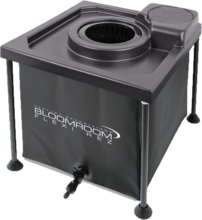
Bloomroom systems include flood trays, DWC modules, hybrid designs and other configurations for growers who want practical hydroponic equipment in a range of plant-site capacities.
Get practical guidance from a team with extensive indoor-growing and hydroponics experience.
Visit our showroom to compare equipment and discuss your proposed growing layout.
Choose equipment for single plants, grow tents, larger rooms and professional facilities.
Source systems, nutrients, pumps, meters, growing media and environmental equipment together.
Self-watering systems, simple drip-fed kits and single-pot DWC systems are good starting points. Choose a manageable number of plants and a reservoir that is easy to inspect.
RDWC, flood-and-drain and large drip-fed systems are popular for substantial plants because they provide generous root space and flexible plant spacing.
Yes. Coco is commonly used with drip irrigation and compatible self-watering systems. Use nutrients and irrigation practices suitable for coco cultivation.
Inclusion varies between products. Check each listing carefully to establish whether water pumps, air pumps, timers, pipework and reservoirs are supplied.
Many systems are modular, but expansion depends on reservoir volume, pump capacity, pipework and available space. Check the manufacturer's maximum recommended size.
Yes. Compact DWC, drip-fed, self-watering, NFT and small multi-pot systems can all be used in grow tents when their dimensions and plant spacing are suitable.
DWC generally uses an individual nutrient container for each plant. RDWC connects several modules so nutrient solution circulates through a shared control reservoir.
Gravity-fed self-watering systems generally contain fewer electrical and moving parts than pumped recirculating systems. Reservoirs and valves still require routine inspection and cleaning.
Yes. Contact our team with your room dimensions, plant count, preferred growing medium and irrigation requirements so we can help you compare suitable options.
Choosing between DWC, RDWC, NFT, flood-and-drain, drip irrigation, aeroponics and self-watering systems can be difficult when every method has different strengths.
Speak to Doctor Blooms before ordering and we can help you compare plant capacity, system dimensions, reservoir size, growing media and irrigation requirements.
Call 01279 501857 or visit our Bishop's Stortford hydroponics showroom for practical advice from experienced growers.