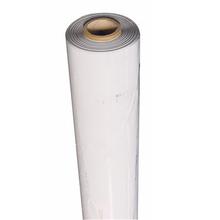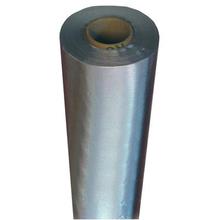


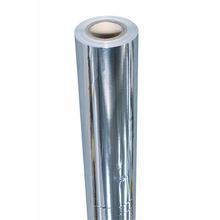
LightHouse Silver/White Mylar 100m (1.25m wide)
£275.00
TL;DR
Reflective sheeting improves light efficiency in indoor grows by bouncing usable light back onto the canopy. It helps reduce dark corners, improve uniformity, and make better use of the light you already have.
Reflective sheeting is a lining material used in grow rooms and tents to reflect light back toward plants. It’s commonly installed on walls, doors, and behind plants to improve coverage and reduce wasted light.
Common materials include:
Mylar / silver film (high reflectivity)
White reflective film (diffuse reflection for even spread)
Black/white poly (white side reflects; black side blocks light)
New to hydroponics?
Our Hydroponics Explained guide covers system types, lighting, and setup basics.
Reflective surfaces help you get more out of your lighting by improving light distribution across the grow space.
Key benefits:
Improved light uniformity (fewer hotspots and shadowy edges)
Better canopy coverage without adding extra fixtures
Cleaner, brighter grow area when using wipeable surfaces
Light control when using black/white films for lightproofing and separation
Use this as a quick guide:
Silver/Mylar (high reflectivity): best when you want maximum bounce and strong intensity
White reflective (diffuse): best for more even spread and fewer hotspots
Black/white film: best for lightproofing, partitioning, and general room lining
To get the best performance:
Keep reflective surfaces flat and clean (creases reduce efficiency)
Seal joins neatly using foil tape (avoid gaps and light leaks)
Leave safe clearance around hot fixtures and follow manufacturer guidance
Avoid putting reflective film directly against wet areas where mould can form