Hydroponics gives growers direct control over the water, nutrients, oxygen, lighting and environmental conditions their plants receive. From a simple home herb garden to a professionally controlled indoor facility, the same core principles apply.
This practical UK hydroponics guide explains how soil-free growing works, the equipment involved, the main types of hydroponic systems and the decisions you need to make before starting. It also connects you to our specialist buying guides, product categories and detailed growing advice.
Hydroponics is a method of growing plants without relying on soil. Water, dissolved mineral nutrients and oxygen are delivered directly to the roots, while grow lights and environmental equipment provide the conditions required above ground.
A correctly designed hydroponic grow can provide faster plant development, efficient water use, precise feeding and reliable year-round production. Success depends on choosing a suitable system and maintaining the correct pH, nutrient strength, root-zone temperature, oxygen level and growing environment.
Hydroponics is the cultivation of plants using a water-based nutrient solution instead of obtaining their nutrition from soil. Roots may be suspended directly in the solution or supported by an inert growing medium such as coco coir, rockwool or clay pebbles.
The grower manages the plant's water, mineral nutrition and root-zone oxygen while controlling light, temperature, humidity and airflow around the crop.
For a more detailed explanation of the basic process, read how hydroponics works .
In soil, roots must spread through the growing area to find available moisture and minerals. A hydroponic system supplies these resources in a more controlled form, allowing the grower to respond quickly to the needs of the crop.
Roots receive water and mineral nutrients directly, reducing the energy plants spend searching through soil.
Recirculating systems collect and reuse nutrient solution instead of allowing most irrigation water to drain away.
Growers can measure nutrient strength and pH, then adjust the solution as plant demand changes.
Indoor lighting and climate equipment make production less dependent on British weather and seasonal daylight.
Hydroponic systems can be used in grow tents, spare rooms, greenhouses, vertical farms and commercial facilities.
Removing traditional garden soil can reduce soil-borne problems and makes the root environment easier to inspect and manage.
Read more about the benefits of growing with hydroponics indoors .
Although hydroponic systems deliver water in different ways, they all aim to provide plant roots with four essential resources: moisture, mineral nutrition, oxygen and physical support.
The nutrient solution is mixed in a reservoir or feed tank. Depending on the chosen system, a water pump, air pump, gravity-fed valve or timed irrigation system then supplies the roots.
Some systems continuously circulate the solution. Others irrigate at timed intervals or maintain a shallow film of nutrient-rich water around the roots. The unused solution may return to the reservoir or drain away.
A hydroponic grow should be planned as one connected environment. Lighting output affects plant water use and room temperature. Plant water use affects humidity. Irrigation influences root oxygen and nutrient concentration. Choosing each item in isolation can leave the overall grow unbalanced.
Successful hydroponic growing is not based on one product. It depends on six connected areas working together.
The system supports the plants and controls how nutrient solution reaches the roots.
Common choices include DWC, RDWC, NFT, flood and drain, drip irrigation and self-watering systems.
Shop hydroponic systemsIndoor plants require sufficient light intensity, coverage and spectrum for healthy photosynthesis.
Modern LED grow lights provide efficient, controllable lighting for propagation, vegetative growth and flowering.
Explore grow lightsHydroponic nutrients contain the mineral elements plants would normally obtain from fertile soil.
Base nutrients supply the essentials, while supplements may support roots, flowering, plant health or water quality.
Shop plant nutrientsTemperature, humidity, fresh-air exchange and air movement affect transpiration, photosynthesis and disease risk.
Extractor fans, circulation fans, filters, heaters, dehumidifiers and air conditioning may all form part of the environment.
Explore ventilation equipmentPumps, tanks, pipework, drippers and timers move water through the system and determine how frequently roots are irrigated.
Water temperature and dissolved oxygen must also be managed in recirculating systems.
Shop pumps and water equipmentpH, EC, water temperature, air temperature and humidity provide measurable information about the grow.
Meters and controllers help growers detect changes early and automate important equipment.
Shop meters and monitoringOur Hydroponic Buying Guides explain how to compare systems, lighting, nutrients, environmental equipment and monitoring products before making a purchase.
View Hydroponic Buying Guides View Bluelab Buying GuidesChoosing the right hydroponic system is one of the most important decisions for any indoor grower. Every system delivers water, nutrients and oxygen to plant roots differently, making each one suitable for different crops, growing styles and experience levels.
Some systems continuously circulate nutrient solution, while others irrigate plants at timed intervals or use gravity-fed watering. Understanding how each method works will help you choose equipment that suits your available space, budget and long-term growing goals.
| System | How It Works | Best For | Experience Level |
|---|---|---|---|
| Deep Water Culture | Roots remain suspended in an actively oxygenated nutrient solution. | Fast-growing crops and straightforward small systems. | Beginner |
| RDWC | Several growing modules connect to a central recirculating reservoir. | Larger plants and multi-pot installations. | Intermediate |
| NFT | A shallow film of nutrient solution continuously flows beneath the roots. | Lettuce, herbs, leafy greens and compact crops. | Intermediate |
| Flood and Drain | A growing tray periodically floods before draining back into the reservoir. | Mixed crops and plants grown in pots or blocks. | Intermediate |
| Drip Irrigation | Nutrient solution is delivered to each plant through drippers. | Coco, rockwool and larger individual plants. | Beginner to advanced |
| Self-Watering Systems | Gravity-fed valves maintain moisture around the root zone without conventional timers. | Low-maintenance indoor, greenhouse and outdoor growing. | Beginner |
| Aeroponics | Roots are suspended in air and regularly sprayed or misted with nutrient solution. | Propagation and specialist high-performance growing. | Advanced |
Hydroponics can be used for far more than salad crops. Commercial growers and home gardeners successfully produce herbs, leafy vegetables, fruiting plants and ornamental species using soil-free growing methods.
The most suitable system depends on the crop, expected plant size, root structure and irrigation requirements rather than simply choosing the most advanced equipment available.
Hydroponics does not rely on soil, but many systems still use a growing medium to support the plant and hold moisture around the roots. The medium should provide a suitable balance between water retention, drainage and root-zone oxygen.
Widely used for propagation and professional production because it provides consistent moisture retention and root support.
Provides a strong air-to-water balance and works particularly well with drip irrigation and frequent nutrient feeding.
A highly aerated medium commonly used in DWC, RDWC, flood and drain and recirculating drip systems.
A lightweight material that improves drainage and aeration when used alone or mixed with other growing media.
Retains moisture and mineral nutrients, making it useful in selected propagation and growing-medium blends.
NFT and aeroponic systems allow much of the root system to grow with little or no surrounding growing medium.
Choose the hydroponic system first, then select a growing medium that suits its irrigation method. Many root-zone problems begin when a medium holds too much or too little water for the selected system.
Hydroponic nutrients supply the mineral elements plants would normally obtain from fertile soil. These elements must be dissolved in water in forms that roots can absorb.
A complete nutrient programme normally provides nitrogen, phosphorus, potassium, calcium, magnesium, sulphur and essential trace elements. Some products are designed for soft water, while others contain additional calcium or buffering for hard-water areas.
Supply the essential macro and micronutrients required throughout the growing cycle.
May support early root development, transplant establishment and biological activity around the root zone.
Formulated to complement the base feed during fruiting and flowering stages.
Help break down dead organic root material and support cleaner recirculating systems.
Selected bacteria and fungi may support nutrient availability and root-zone health in compatible systems.
Products may be used to condition source water, manage chlorine or help maintain irrigation equipment.
Always follow the nutrient manufacturer's instructions and begin with the recommended dosage for your crop, water quality and growing medium.
pH measures how acidic or alkaline the nutrient solution is. It affects the chemical availability of mineral nutrients and therefore influences how effectively roots can absorb them.
Many hydroponic crops are grown in a mildly acidic root environment, but the correct range depends on the plant, nutrient formulation, growing medium and water source.
Electrical conductivity, normally shown as EC, measures the ability of the nutrient solution to conduct electricity. In practical hydroponics, it is used as an indication of the overall concentration of dissolved mineral salts.
EC does not identify individual nutrients. It tells you how concentrated the total solution is, allowing feeding strength to be monitored and adjusted more consistently.
Plant roots require oxygen for respiration. This is particularly important in DWC and RDWC systems where roots remain continuously submerged.
Air pumps, air stones, falling water, circulation pumps and venturi devices can all increase root-zone oxygen, depending on the system design.
Nutrient-solution temperature also matters because warmer water generally holds less dissolved oxygen. Excessive root-zone temperatures can place plants under stress and increase the risk of biological problems.
Do not treat water temperature and oxygen as separate issues. As the solution becomes warmer, the need for effective aeration and circulation becomes even more important.
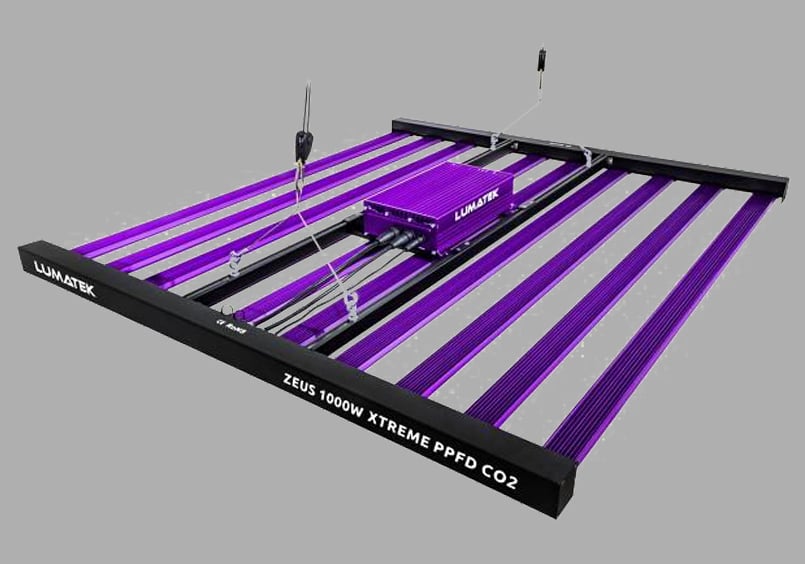
Hydroponic plants grown indoors require artificial light with enough intensity and coverage to support photosynthesis. The correct fixture depends on the crop, growing area, plant stage and desired production level.
Modern LED grow lights are widely used because they provide efficient full-spectrum output, controllable intensity and lower radiant heat than many traditional HID fixtures.
Explore our grow lights and specialist hydroponic buying guides .
A successful hydroponic grow requires more than healthy roots. Temperature, humidity, airflow and fresh-air exchange all influence transpiration, photosynthesis and disease risk.
Controls plant metabolism, water use and the speed of many biological processes.
Influences transpiration, nutrient movement and the risk of fungal disease.
Helps remove humid boundary layers around leaves and supports stronger plant structure.
Removes excess heat and humidity while bringing fresh air into an open-loop grow room.
Removes moisture released by plants, particularly during dense growth and lights-off periods.
Controllers can coordinate fans, heaters, humidifiers, cooling and other climate equipment.
Visit our grow room ventilation section for extractor fans, circulation fans, filters and environmental equipment.
Hydroponics can be suitable for beginners when the system is simple, correctly sized and easy to inspect. Starting with manageable equipment makes it easier to understand irrigation, feeding and environmental control before moving to a larger installation.
Stronger nutrient solution does not automatically create faster growth and may damage roots.
Hardness, alkalinity and starting EC can affect nutrient selection and pH stability.
Warm nutrient solution can reduce dissolved oxygen and increase root-zone stress.
Still, humid air can increase condensation and create uneven conditions across the plant canopy.
Undersized reservoirs, pumps or ventilation equipment may struggle as plants become larger.
Pump failure, blocked irrigation or power interruption can affect hydroponic plants quickly.
Start by defining the crop, available space and level of environmental control. This is more useful than selecting products individually and trying to make them work together afterwards.
Our buying guides explain how to compare hydroponic systems, lighting, nutrients, meters and environmental equipment before making a purchase.
View Hydroponic Buying Guides View Bluelab Buying GuidesNeither method is automatically better in every situation. Hydroponics provides greater control over water, nutrition and the root environment, while soil can be simpler and more forgiving.
Hydroponic plants can grow faster when water, nutrients, oxygen, lighting and climate are correctly managed. A poorly maintained hydroponic system can perform worse than a healthy soil grow.
Recirculating systems can use water efficiently because unused nutrient solution returns to the reservoir. Actual water consumption depends on crop size, climate and system management.
Organic and biologically active inputs can be used in compatible systems, but thick products may block fine drippers or leave residues in irrigation lines.
DWC and RDWC systems normally require active aeration. Other systems may introduce oxygen through drainage, falling water, circulation or air spaces within the growing medium.
An EC meter is strongly recommended when mixing mineral nutrients or maintaining a reservoir because it provides a repeatable indication of nutrient-solution concentration.
There is no single interval for every system. Reservoir size, crop demand, source water, nutrient programme and recirculation method all affect how frequently the solution should be refreshed.
Many crops are grown in a mildly acidic nutrient solution. The correct range depends on the crop, nutrient formulation, growing medium and source water.
Tap water can be suitable, but alkalinity, hardness, EC and treatment chemicals vary by location. Measure the starting water before selecting nutrients.
A chiller may be required when nutrient-solution temperature consistently becomes too warm. Reservoir insulation, positioning and room cooling should also be considered.
Yes, but outdoor systems must cope with rain, sunlight, changing temperatures, pests and seasonal conditions. Reservoirs should be shaded and protected from contamination.
Running costs depend mainly on lighting, heating, cooling, ventilation, pumps and the size of the growing area. Efficient equipment and correct sizing reduce unnecessary energy use.
Simple DWC, self-watering and small drip-irrigation systems can suit beginners. The easiest system is one that is correctly sized, accessible and straightforward to clean.
Dissolved oxygen is essential for healthy root respiration, particularly where roots remain submerged. Low oxygen can slow growth and increase susceptibility to root-zone problems.
Timers, dosing systems, pH and EC controllers, irrigation controllers and environmental controllers can automate many tasks. Automated equipment still requires calibration and regular inspection.
Hydroponics becomes easier when each part of the grow is understood as part of one connected system. Continue with our specialist guides and equipment categories below.
Compare systems, equipment and important product specifications.
View buying guidesExplore DWC, RDWC, NFT, drip, flood and drain and self-watering systems.
Shop hydroponic systemsFind LED and indoor horticultural lighting for different growing areas.
Explore grow lightsBrowse base nutrients, root products, supplements and additives.
Shop plant nutrientsExplore extractor fans, filters, air circulation and climate equipment.
View ventilation equipmentMeasure pH, EC, temperature and humidity with reliable grow-room meters.
Shop meters and monitoringDoctor Blooms supplies hydroponic systems, grow lights, nutrients, ventilation, irrigation equipment and monitoring products for home, professional and commercial growers.
Visit our Hertfordshire hydroponics showroom or explore the online shop to find equipment suited to your crop, growing area and level of experience.
Shop Hydroponic Systems Contact Doctor Blooms