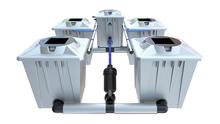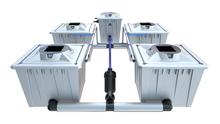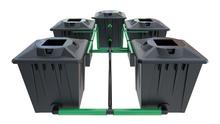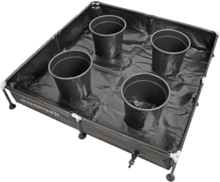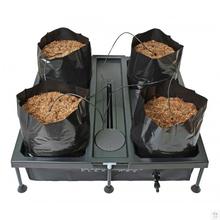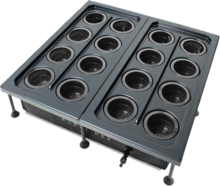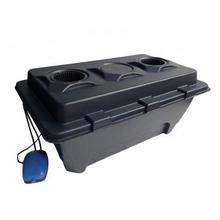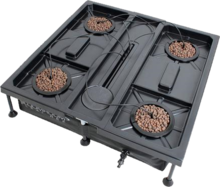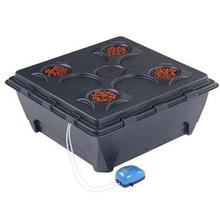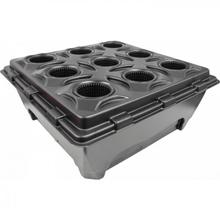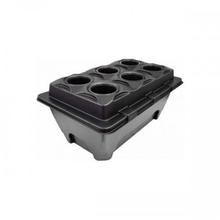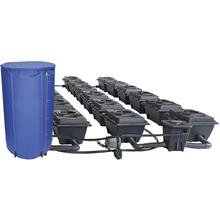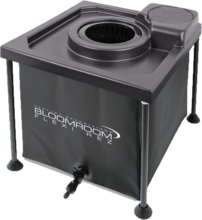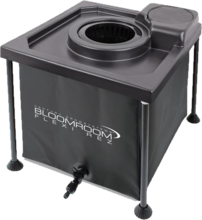
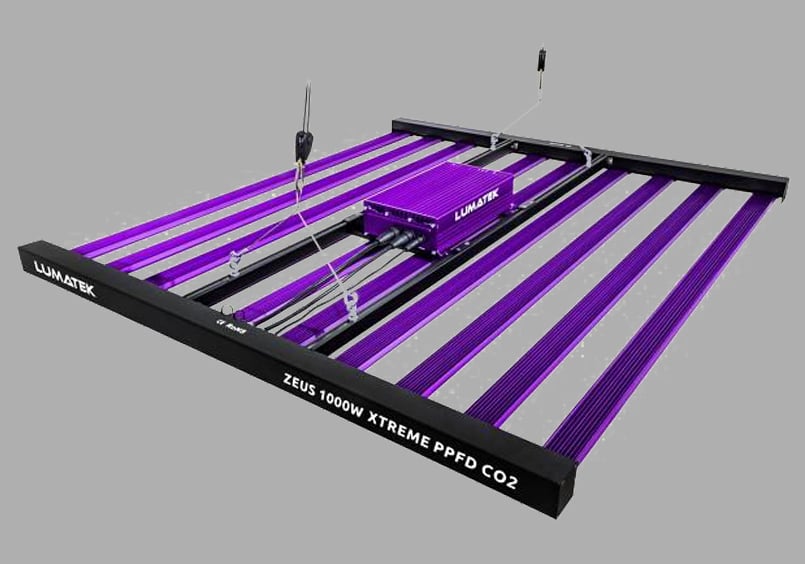


ALIEN RDWC (4 to 48 Pot) 36L Black Series
From
£435.00
Quick Answer
Deep Water Culture (DWC) is a hydroponic growing method where plant roots are suspended in an oxygenated nutrient solution. Constant access to water, nutrients and dissolved oxygen can support rapid growth while reducing the need for daily hand-watering.
Deep Water Culture is one of the most established and widely used hydroponic growing methods. Plants are supported above a reservoir or growing module while their roots remain submerged in nutrient solution.
Air pumps, air stones or oxygen diffusers keep the solution aerated, helping prevent stagnant root conditions and providing the oxygen plants require for healthy nutrient uptake.
The category includes compact single-module DWC systems, multi-pot setups and recirculating Deep Water Culture systems for larger indoor gardens. You will also find compatible modules, trays and system components for building or expanding a hydroponic setup.
New to hydroponics? Visit our Indoor Growing & Hydroponics Explained guides to learn about the main system types and how indoor growing setups work.
Roots remain in contact with water and dissolved nutrients throughout the growing cycle.
Air stones and diffusers oxygenate the nutrient solution to support healthy root development.
Once correctly set up, DWC systems provide a continuous water supply without manual watering each day.
Choose from compact DWC modules through to expandable multi-pot recirculating systems.
Deep Water Culture is a soil-free growing method in which plant roots are suspended directly in a reservoir or module containing water and hydroponic nutrients. The plant is normally supported in a net pot filled with clay pebbles or another inert growing medium.
Unlike drip irrigation, the roots do not rely on repeated watering cycles. They remain in constant contact with the nutrient solution, while an air pump and diffuser supply dissolved oxygen around the root zone.
This combination of continuous water, mineral nutrition and oxygen can create stable conditions for rapid plant development when the reservoir is properly managed.
A basic DWC system contains a reservoir, plant support lid or net pot, air pump, airline and air stone. The air pump pushes air through the diffuser, producing bubbles that oxygenate and circulate the nutrient solution.
In a standalone system, each plant or group of plants may have its own reservoir. In a recirculating Deep Water Culture system, several growing modules are connected to a central control reservoir.
A water pump circulates nutrient solution between the modules, helping maintain consistent pH, nutrient strength and water level throughout the system.
| System type | How it works | Best suited to |
|---|---|---|
| Standalone DWC | Plants grow above an individual oxygenated reservoir. | Beginners, small gardens and individual plants |
| Multi-pot DWC | Several DWC modules are operated within one growing area. | Medium-sized indoor growing setups |
| Recirculating DWC | Connected modules continuously share solution with a central reservoir. | Larger plants and expandable grow rooms |
| Hybrid systems | Combine DWC with drip irrigation or other watering methods. | Growers seeking additional irrigation flexibility |
Start by considering the number of plants, available floor space and expected final plant size. Compact standalone systems are suitable for smaller gardens, while larger recirculating systems make it easier to manage several plants from one control reservoir.
Pot or module capacity also matters. Larger root chambers provide more space for mature root systems and can hold a greater volume of nutrient solution, although they require more floor space and water.
Check whether the system includes the required air pump, water pump, control reservoir, pipework and fittings. Some category products are replacement modules, shells, lids, trays or expansion components rather than complete ready-to-run systems.
Monitor pH, electrical conductivity and water temperature regularly. Plant uptake and evaporation can change reservoir conditions, particularly when plants are growing quickly.
Maintain strong aeration at all times and check that every diffuser is producing bubbles. Warm nutrient solution holds less dissolved oxygen, so avoid positioning reservoirs beside heaters or other major heat sources.
Reservoirs, pumps, airlines and modules should be cleaned between crops. Removing old roots and organic residue helps keep irrigation pathways clear and supports a clean root environment.
A DWC system holds plant roots in an oxygenated solution containing water and hydroponic nutrients. The plant is supported above the reservoir while its roots remain submerged.
DWC often refers to an individual reservoir or module. RDWC connects several modules to a central reservoir and circulates nutrient solution throughout the system.
Yes. A simple standalone DWC system can be suitable for beginners, although pH, nutrient strength, water temperature and aeration still need regular monitoring.
Yes. Continuous aeration is essential because submerged roots depend on dissolved oxygen in the nutrient solution.
Clay pebbles are widely used because they support plants while providing excellent drainage and airflow around the upper root zone.
Water level, pH, nutrient strength, temperature and aeration should be checked regularly. Fast-growing plants may require more frequent adjustment.
Call Doctor Blooms on 01279 501857 or visit our Bishop's Stortford showroom for help choosing a Deep Water Culture system for your plant count and growing space.