"Advantages & Disadvantages of ..." from www.trees.com
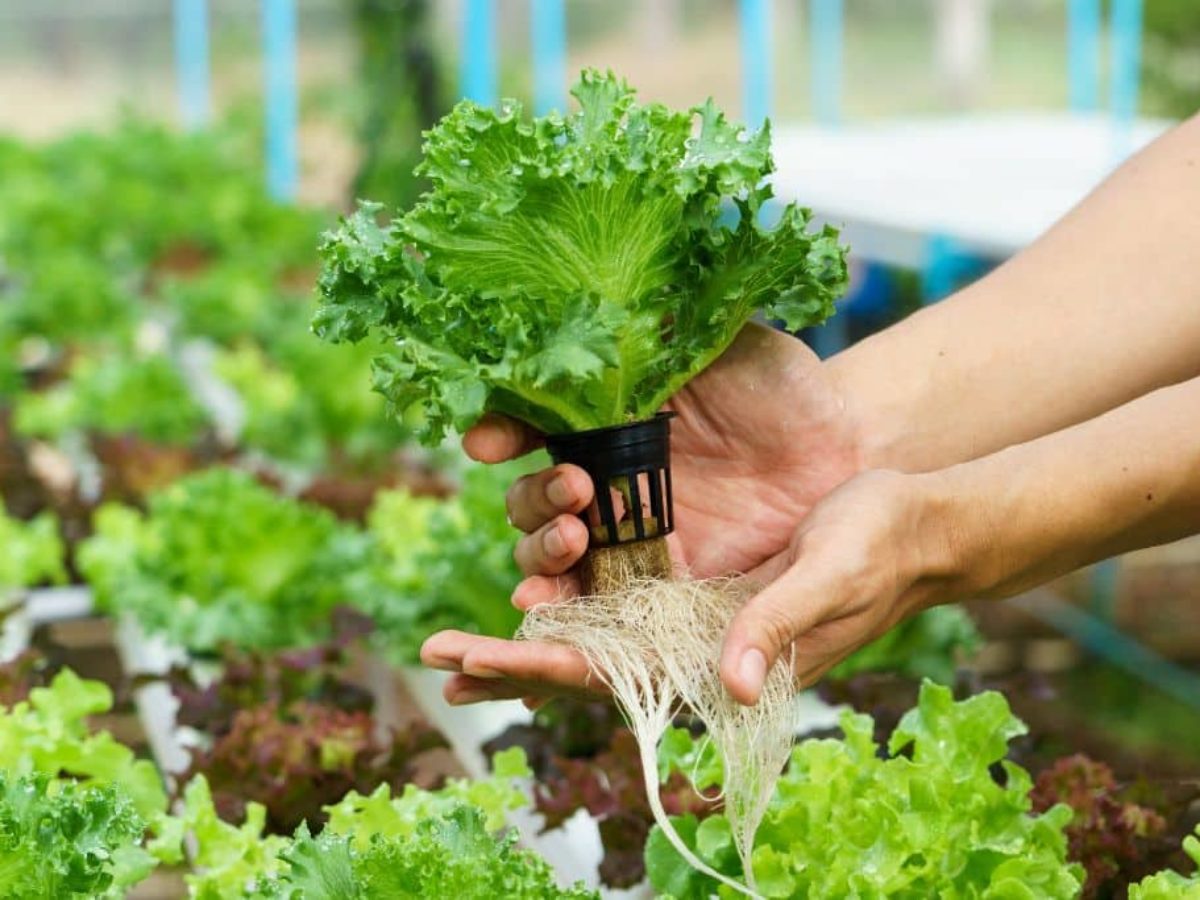
Hydroponics is a soil-free growing method that feeds plants directly through nutrient-rich water. This allows faster growth, higher yields, and up to 90% less water usage compared to soil growing. While hydroponic systems require a higher initial setup cost and regular monitoring, they offer precise control, year-round production, and excellent results when managed correctly.
New to Growing? Visit our Hydroponics Explained Guide.
Grow plants without soil using water-based nutrients
Faster growth and increased yields
Highly water-efficient and space-saving
Fewer pests and soil-borne diseases
Requires equipment, monitoring, and technical understanding
"12 Pros & Cons of Hydroponic Farming ..." from earth.org
Hydroponics is a growing technique where plants receive nutrients through water rather than soil. Nutrients are delivered directly to the root zone in controlled concentrations, allowing plants to absorb what they need more efficiently.
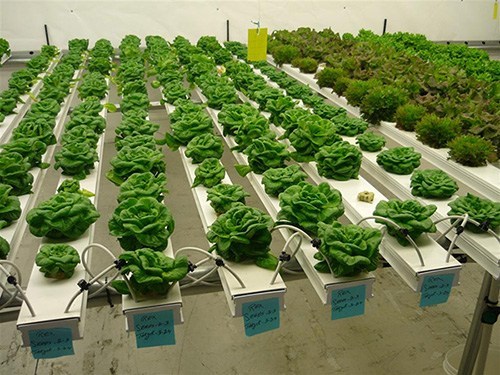
Because growers can control light, temperature, humidity, nutrients, and pH, hydroponics is widely used in indoor grows, greenhouses, vertical farms, and home grow rooms.
Hydroponics has surged in popularity due to:
Increased demand for sustainable food production
Limited space in urban environments
Water conservation concerns
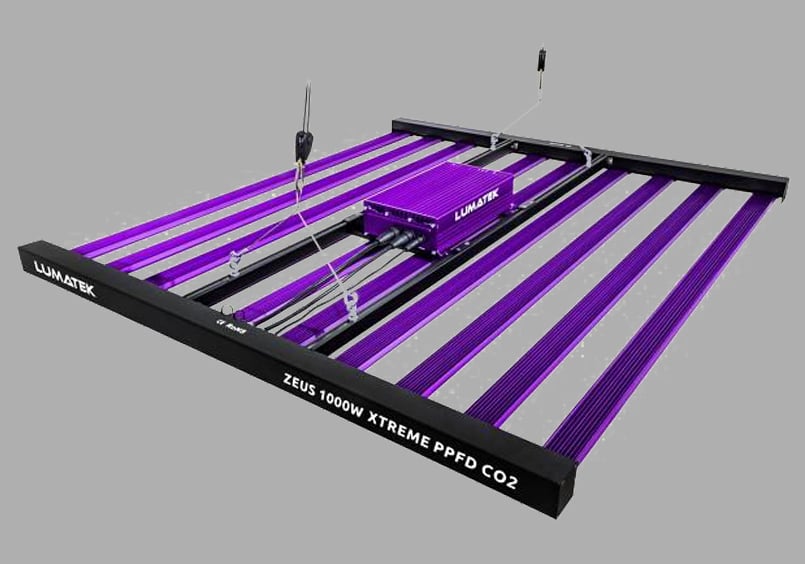
Advances in LED grow lighting and automation
With the right setup, growers can produce consistent, high-quality crops anywhere — from spare rooms to commercial facilities.
.
"Common 10 Disadvantages of Hydroponics ..." from www.vanqled.com
Because nutrients are delivered directly to the roots, plants waste less energy searching for food. This results in faster growth cycles and often significantly higher yields than soil-grown plants.
Hydroponic systems recirculate water instead of losing it to runoff. This can reduce water usage by up to 90%, making hydroponics ideal in areas where water efficiency matters.
Indoor hydroponic systems are unaffected by seasons or weather. This allows growers to harvest crops consistently throughout the year.
Without soil, many pests and pathogens never appear. This often reduces the need for pesticides and improves overall plant health.
Hydroponics works exceptionally well in compact or vertical layouts, making it ideal for urban growing, spare rooms, garages, and commercial indoor farms.
:max_bytes(150000):strip_icc()/GettyImages-1482213411-90ec5837220d4cc8bd7888612c6c5e1f.jpg)
"Hydroponic Indoor Garden" from www.thespruce.com
Hydroponics requires equipment such as reservoirs, pumps, lighting, and nutrients. While small systems are affordable, advanced setups require more investment upfront.
Pumps, lights, and control systems are essential. Power outages or equipment failure can stress plants quickly without backups in place.
pH, nutrient strength (EC), water temperature, and oxygen levels must be checked regularly. Unlike soil, hydroponic systems have very little margin for error.
Understanding nutrients, pH control, and system maintenance takes time. However, most growers become comfortable quickly with hands-on experience.
Because water is shared, root issues or disease can spread rapidly if hygiene and monitoring are poor. Clean systems and good practices are essential.
| Feature | Soil Growing | Hydroponics |
|---|---|---|
| Growing Medium | Soil | Water + nutrients |
| Growth Speed | Slower | Faster |
| Water Usage | High | Up to 90% less |
| Nutrient Control | Limited | Precise & adjustable |
| Pest Risk | Higher | Lower |
| Space Efficiency | Low | High |
| Setup Cost | Low | Medium–High |
| Maintenance | Low–Medium | Medium–High |
| Year-Round Growing | Limited | Yes |
Hydroponics is ideal if you want:
Faster results and higher yields
Precise control over plant health
Efficient use of water and space
Indoor or year-round growing
If you prefer a low-tech, hands-off approach, traditional soil growing may be a better fit.
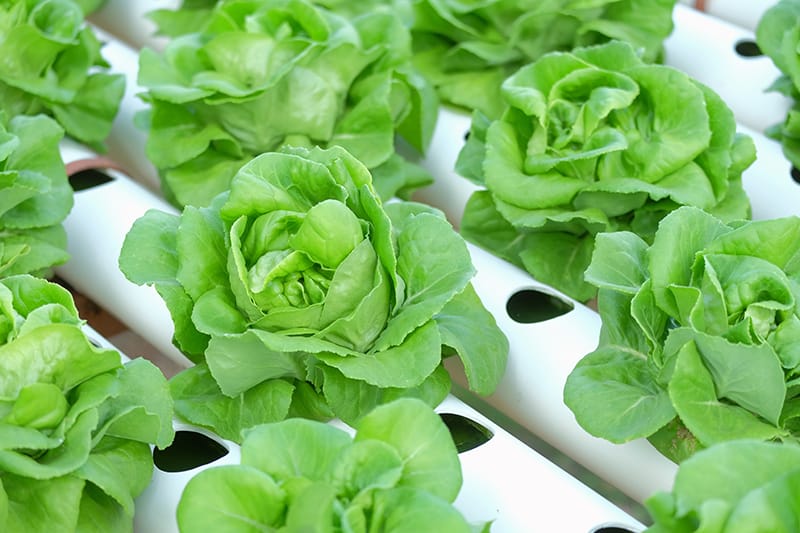
Small systems are perfect for herbs and leafy greens, while larger setups with stronger lighting and climate control are better for fruiting plants like tomatoes and peppers.
Starting small allows you to learn nutrient and pH management before scaling up.
Explore our Grow Lights, Nutrients, and pH Management categories to build the right system.
What grows best in hydroponics?
Leafy greens, herbs, strawberries, tomatoes, peppers, and cucumbers all thrive in hydroponic systems.
Is hydroponics sustainable?
Yes. Hydroponics uses less water, less land, and often fewer chemicals than traditional farming.
Is hydroponics expensive?
Entry-level systems can start around £80, while larger systems require more investment. Long-term savings depend on scale and efficiency.
What mistakes do beginners make?
Poor pH control, inconsistent feeding, overcrowding plants, and ignoring hygiene are the most common issues.
Whether you’re building your first system or upgrading an existing grow, Doctor Blooms can help with lighting, nutrients, system design, and expert advice.
📞 01279 501857
Visit our Bishop’s Stortford showroom
Grow smarter with Doctor Blooms