Humidity control helps keep indoor grow environments stable by maintaining an appropriate relative humidity level for each growth stage. Humidifiers add moisture when the air is too dry, and dehumidifiers remove excess moisture to reduce the risk of mould, mildew, and humidity spikes.
Humidity control refers to managing the amount of moisture in the air (relative humidity) inside a grow space. Heat from grow lights and extraction can dry the air, while plant transpiration can cause humidity to rise — especially during lights-off.
Using the right equipment keeps conditions consistent, supporting healthy growth and reducing stress.
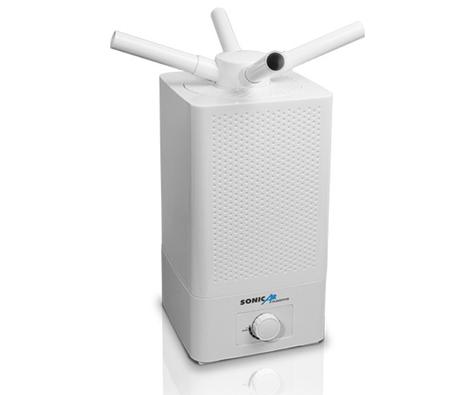
Humidifiers
Used when the grow space is too dry. Many units use ultrasonic misting to convert water into fine vapour that increases humidity in the room.
Dehumidifiers
Used when humidity is too high, especially in flowering stages or during lights-off, helping reduce condensation and the risk of mould.
Read Indoor Growing & Hydroponics Explained to understand how humidity, temperature, airflow, and CO₂ work together in an indoor grow environment.
Humidity control is most important when:
seedlings/clones need higher humidity
extraction and lights are drying the room too much
flowering plants cause humidity spikes through transpiration
lights-off periods create rapid RH increases
Stable humidity improves consistency and makes temperature control easier.
Doctor Blooms stocks reliable humidity control equipment from trusted brands including Faran, Global Air Supplies, and Rapid Air Movement (RAM).
If you’re unsure whether you need a humidifier or dehumidifier (or what size), we can advise based on your room size and growth stage.
📞 Call 01279 501857 or email [email protected].