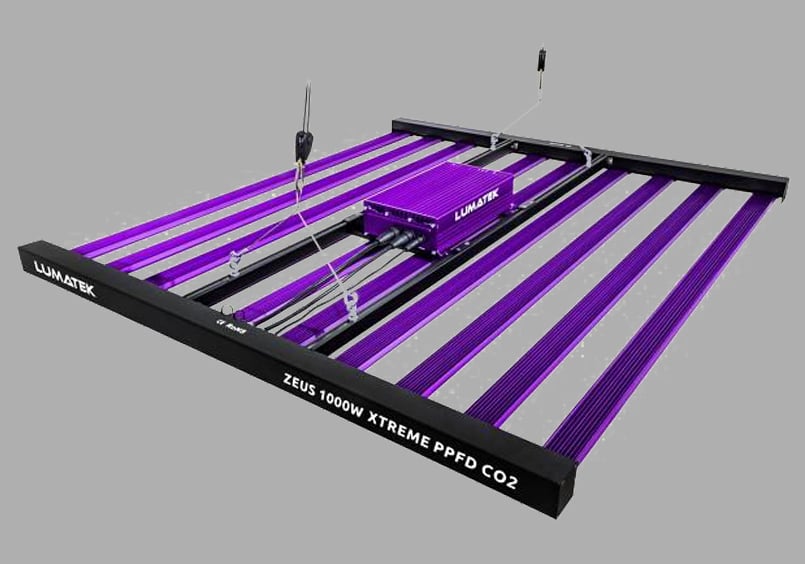
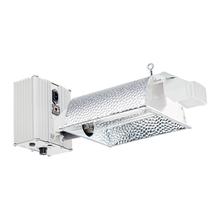
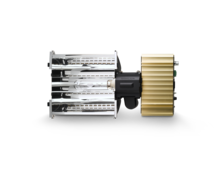
HPS grow lights (High Pressure Sodium) are traditional high-intensity discharge lights widely used for flowering plants indoors. They are known for strong light penetration, proven yields, and lower upfront cost compared to LEDs, but they produce more heat and use more electricity.
Best suited for flowering stages
Available in 250W to 1000W options
Lower initial cost than LED
Higher heat output, requires ventilation
If you’re comparing HPS vs LED, our Indoor Growing & Hydroponics Explained guide breaks down lighting, heat management, and setup choices.
HPS grow lights use a high-pressure sodium gas bulb to produce an intense orange-red light spectrum that plants respond to extremely well during flowering. For decades, HPS lighting has been the industry standard for indoor growing, particularly in commercial and high-yield setups.
Although newer LED systems are now more energy-effective, HPS remains popular due to its reliability, predictable results, and compatibility with existing grow room infrastructure.
Yes — HPS grow lights are still a valid option, depending on your setup.
They are especially useful if:
You already own HPS ballasts and reflectors
Your grow space runs cold and benefits from extra heat
You want strong flowering performance on a tighter budget
You prefer proven, well-understood technology
However, they do use more power and require proper ventilation to manage heat.
Choosing the right wattage is key for good results:
250W HPS – Small grow tents, seedlings, or limited flowering areas
400W HPS – Up to ~1m² flowering coverage
600W HPS – Most common size, ideal for 1.2m × 1.2m tents
1000W HPS – Large grow rooms with strong extraction and cooling
As a rule, HPS lights work best when paired with high-quality reflectors and adequate airflow.
HPS grow lights produce significantly more heat than LEDs. This can be:
An advantage in cold environments
A challenge in sealed or small grow spaces
Most setups require:
Inline extraction fans
Air-cooled or open reflectors
Temperature control to avoid plant stress
Power consumption is typically higher than LED systems of equivalent coverage, but upfront equipment costs are usually lower.
HPS advantages
Lower initial cost
Strong canopy penetration
Proven flowering performance
LED advantages
Lower electricity usage
Less heat output
Full-spectrum, seed-to-harvest lighting
Many growers now run LED for veg and HPS for flower, or upgrade gradually over time.
HPS lighting is best suited for:
Budget-conscious growers
Cold or well-ventilated grow rooms
Flower-heavy grow cycles
Growers upgrading gradually from older systems
If heat management and power efficiency are your main concerns, LED may be a better option.
Q1: What are HPS grow lights?
HPS grow lights emit a yellow-red light spectrum ideal for flowering and fruiting stages, delivering strong light intensity that supports high yields.
Q2: Why are HPS grow lights considered efficient?
Compared to older fluorescent systems, HPS grow lights produce much higher light intensity per fixture, making them effective for flowering plants.
Q3: What stages of plant growth are HPS grow lights best suited for?
HPS grow lights are best suited for the flowering and fruiting stages of plant growth.