Quick Answer: LED grow lights are the most efficient and versatile lighting solution for indoor growing. Modern full-spectrum LED fixtures provide exceptional plant growth from seedlings through to flowering while producing less heat and using significantly less electricity than traditional HID lighting.
Shop premium LED grow lights from Doctor Blooms and discover high-performance fixtures suitable for grow tents, indoor grow rooms, commercial cultivation and propagation. Whether you're upgrading from HPS or building a new grow room, LED technology delivers excellent light distribution, improved energy efficiency and long-term reliability.
Today's professional LED fixtures use advanced full-spectrum technology combined with highly efficient diodes to maximise photosynthesis while reducing electricity consumption and unwanted heat. The result is healthier plants, improved canopy development and lower running costs throughout the growing cycle.
New to indoor growing? Read our Hydroponics Explained guide to understand how lighting, nutrients, ventilation, irrigation and environmental control work together.
LED technology has transformed indoor horticulture. Modern fixtures provide even light distribution across the canopy, reduced heat output and excellent efficiency while eliminating the need for frequent lamp replacements.
One fixture can support seedlings, vegetative growth and flowering without changing lamps.
Produce more usable plant light per watt while reducing electricity consumption.
LED fixtures generally create less radiant heat, making environmental control easier.
Many fixtures include dimming and controller compatibility for commercial installations.
Selecting an LED grow light involves more than choosing the highest wattage. Coverage area, fixture efficiency, hanging height, canopy density and environmental conditions all affect plant performance.
LED grow lights are designed to provide plants with the wavelengths and intensity needed for indoor growth. Modern fixtures are available for propagation, vegetative growth, flowering, mother plants, grow tents and large commercial cultivation rooms.
The best LED grow light is not simply the model with the highest wattage. It should match the dimensions of the plant canopy, provide even light distribution, fit within the available hanging height and work with the room's ventilation or cooling equipment.
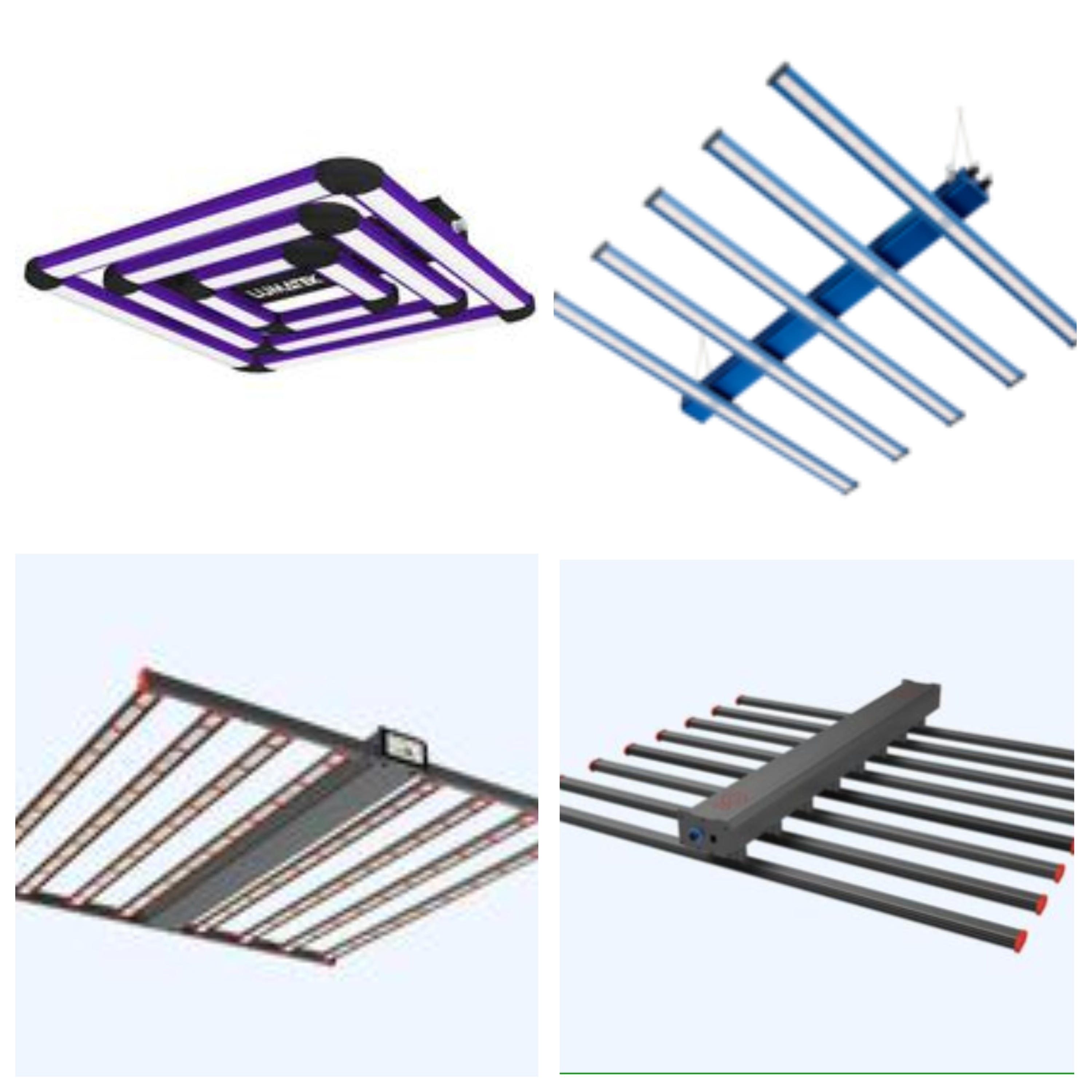
LED grow lights are available in several fixture styles. Each design offers a different balance of coverage, intensity, headroom and installation flexibility.
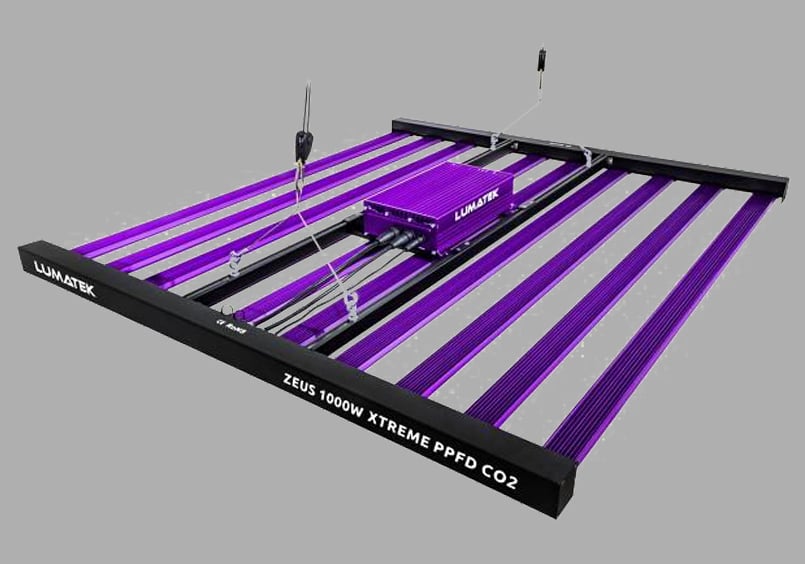
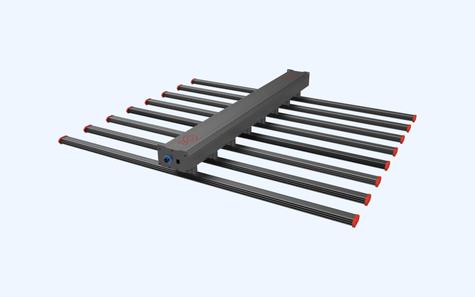
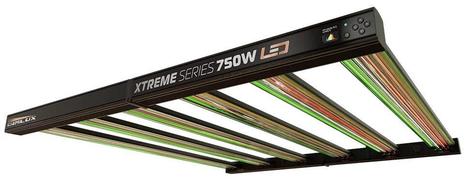
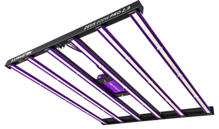
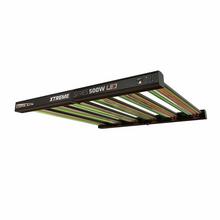
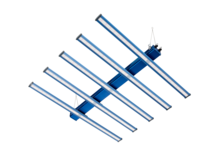
Bar-style LED fixtures use several long light bars spaced across a frame. This design spreads the output over a broad area and helps create a more uniform canopy than a concentrated single-source fixture.
They are particularly suitable for medium and large grow tents, dedicated flowering rooms and commercial cultivation facilities. Many models can be dimmed or connected to compatible lighting controllers.
Compact fixtures are designed for smaller tents, propagation areas and limited growing spaces. They normally combine the driver, heatsink and LED board into a low-profile unit that is straightforward to install.
A compact LED can be a practical choice for beginners because it provides full-spectrum lighting without the separate ballast, reflector and replaceable lamp required by traditional HID systems.
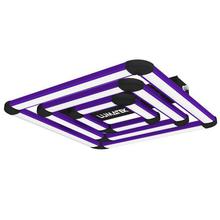
Quantum board-style fixtures use a high density of small LED diodes mounted across a flat board. They can provide strong efficiency and good output from a relatively simple fixture design.
Their concentrated form may create greater intensity directly beneath the centre of the light, so coverage maps and recommended hanging heights should be checked carefully.
Under-canopy lights are installed below or alongside dense plant canopies to illuminate lower leaves and flowering sites that receive less light from the main overhead fixture.
They are used as supplementary lighting and should be selected carefully to suit the available space, irrigation layout and crop structure. Fixtures positioned low in the crop must also be protected from water contact and physical damage.
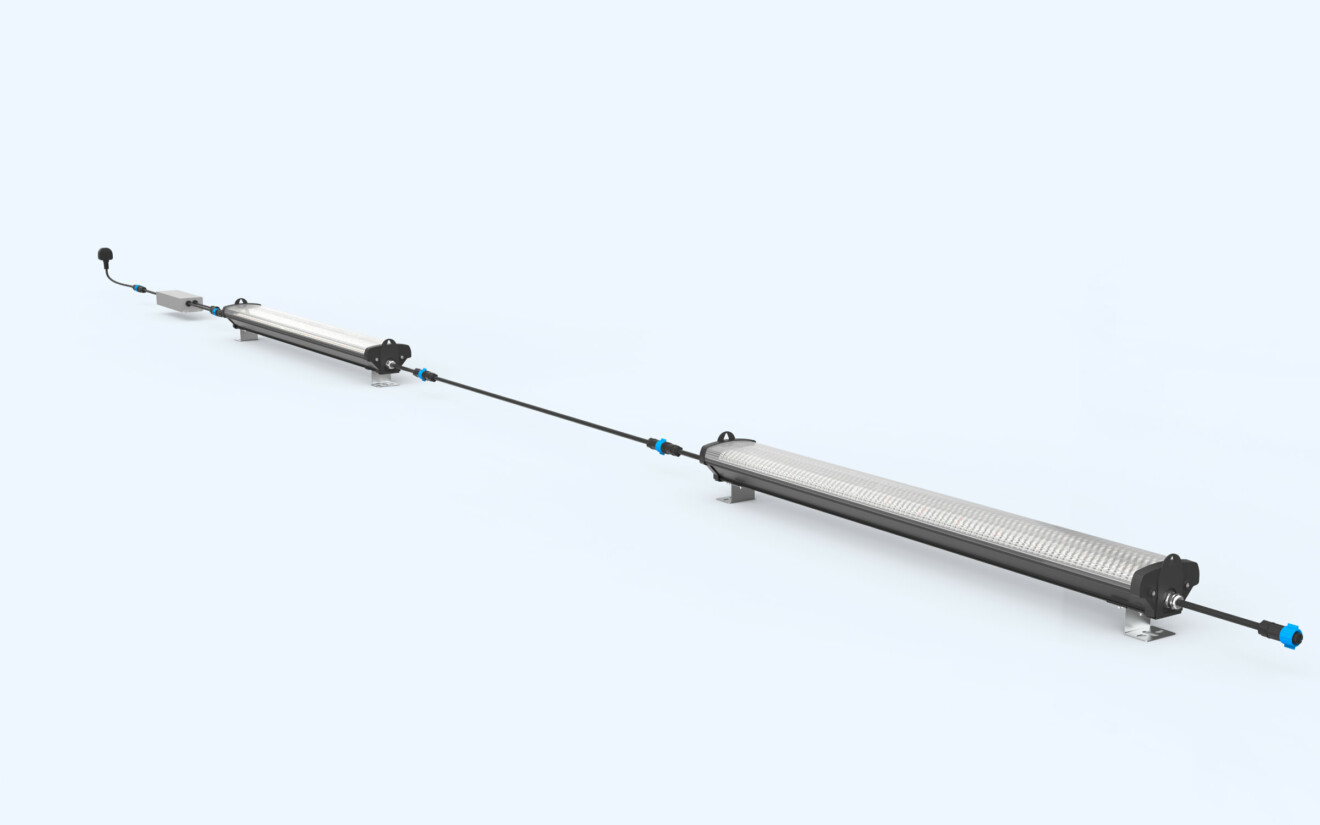
Propagation LEDs are lower-output fixtures designed for seedlings, cuttings, clones, mother plants and early vegetative growth. Their low profile and reduced heat output make them useful above propagators, benches, shelving and multi-tier growing racks.
| LED Type | Best For | Coverage | Headroom | Typical Application |
|---|---|---|---|---|
| Bar Fixture | Full-cycle and flowering | Wide and even | Moderate | Medium tents and commercial rooms |
| Compact Fixture | Small tents and beginners | Compact | Low to moderate | Small indoor gardens |
| Board-Style Fixture | Efficient full-cycle lighting | Moderate | Moderate | Tents and smaller grow rooms |
| Propagation LED | Seedlings and cuttings | Narrow or linear | Very low | Shelves, benches and propagators |
| Under-Canopy LED | Lower canopy support | Targeted | Installed within crop | Dense flowering canopies |
Product specifications help compare LED fixtures, but no single number tells the whole story. The most useful comparison combines total output, electrical consumption, efficiency, coverage and the uniformity of the light across the canopy.
Wattage shows how much electricity a fixture consumes. It does not directly show how much usable plant light the fixture produces or how evenly that light reaches the canopy.
Photosynthetic Photon Flux measures the total quantity of photosynthetically active light emitted by the fixture each second. It is normally expressed in micromoles per second.
Photosynthetic Photon Flux Density measures how much photosynthetically active light reaches a particular area of the canopy each second. PPFD maps are useful because they show both intensity and distribution across the growing area.
LED efficiency is usually expressed in micromoles per joule. A higher figure indicates that the fixture produces more usable plant light for each unit of electricity consumed.
Full-spectrum LED grow lights combine multiple wavelengths to support photosynthesis and plant development. Some fixtures also include additional deep-red, far-red or ultraviolet output for specialist cultivation strategies.
Coverage should always be considered alongside hanging height and crop stage. A fixture may cover a larger area during vegetative growth but require a smaller footprint when used for high-intensity flowering.
Quick Buying Tip: Compare the entire PPFD map rather than focusing only on the highest centre reading. Strong edge values and consistent distribution usually produce a more even canopy.
The quality of the diodes, driver, heatsink, frame and electrical components all influence fixture performance and reliability. Well-designed grow lights combine efficient light production with stable thermal management.
Samsung, Osram and other established component manufacturers are commonly used in horticultural LED fixtures. However, diode branding alone should not determine the purchase. The total fixture design, operating current, cooling, spectrum and warranty are equally important.
Two lights using similar diode families can perform differently because of the number of diodes, the power at which they are driven, the spacing between them and the way heat is removed from the fixture.
Passively cooled LED fixtures use aluminium frames, heatsinks and natural airflow to dissipate heat. They contain no cooling fan, which reduces moving parts and routine maintenance.
Actively cooled fixtures use fans to move air through or across the heatsink. This can allow a more compact design, but fans may require cleaning and can eventually need replacement.
Compact dimmable fixtures are suitable for smaller plant canopies where headroom and heat management are limited. Check the flowering coverage rather than relying only on the tent size.
Bar-style or larger board-style LEDs can provide strong full-cycle output and improved uniformity across a medium canopy.
High-output LED fixtures should be arranged around the true canopy footprint, access paths, room cooling and the required target light level.
Low-profile LED bars and propagation fixtures provide gentle, even lighting above seedlings, cuttings and young plants.
Dimmable full-spectrum LEDs allow growers to maintain healthy vegetative growth without using the maximum output required for flowering.
Commercial layouts require careful planning around fixture spacing, electrical load, cooling, irrigation access, environmental sensors and central lighting control.
Young plants require lower light intensity. Dimming the fixture or increasing the hanging height can help create a gentler environment while roots and leaves develop.
During vegetative growth, the light should support compact development and broad canopy formation. Intensity can normally be increased as the plant becomes established.
Flowering plants generally require greater light intensity and more even canopy coverage. Environmental control becomes increasingly important as fixture output and plant transpiration rise.
Dimming allows growers to reduce output during propagation and early vegetative growth, then gradually increase intensity as the crop develops. This can help avoid unnecessary electricity use and excessive light exposure.
Compatible controllers can operate multiple fixtures from one location and may provide scheduling, gradual sunrise and sunset, temperature protection or separate lighting zones.
Always check that the controller, cables and communication method are approved for the chosen fixtures. Similar-looking control connections are not always electrically compatible.
LED grow lights are efficient, but all electrical power used inside a grow room eventually contributes heat. The room may still require extraction, air conditioning or another cooling method.
Remotely mounted drivers can reduce the heat released directly above the canopy, although the driver heat must still be managed wherever it is installed.
Air movement across the room also helps distribute heat and reduces localised warm areas around fixtures and dense plant canopies.
Doctor Blooms stocks LED grow lights from established horticultural lighting manufacturers, with options for compact tents, full-cycle indoor growing and professional cultivation facilities.
Lumatek offers compact and bar-style LED fixtures for grow tents and larger indoor cultivation spaces, together with compatible lighting controllers and accessories.
SANlight produces modular horticultural LED fixtures designed around high efficiency, robust thermal management and flexible installation.
Dimlux provides controllable indoor lighting systems designed to integrate with compatible environmental and lighting controls.
Nokotech supplies high-output LED fixtures and specialist supplementary lighting for demanding indoor cultivation applications.
Gavita offers professional horticultural lighting designed for consistent performance, scalable layouts and controlled growing environments.
Maxibright and LUMii provide practical LED lighting options for hobby growers, small tents and complete indoor growing setups.
We can help compare output, efficiency, coverage, hanging height and environmental requirements.
Choose from established horticultural lighting manufacturers for propagation, full-cycle cultivation and flowering.
Our range includes compact tent lights, high-output bar fixtures, under-canopy lighting and scalable commercial solutions.
Visit our Bishop's Stortford showroom to discuss your canopy dimensions, crop requirements and grow room environment.
Yes. Full-spectrum LED grow lights can support propagation, vegetative growth and flowering. Intensity and hanging height should be adjusted as plants develop.
Measure the plant canopy and compare it with the manufacturer's recommended vegetative and flowering coverage. Also consider hanging height, heat load and canopy density.
No. A higher-wattage light may be unsuitable for a small area or limited headroom. Compare usable output, efficiency, PPFD distribution and coverage rather than wattage alone.
PPF measures the total photosynthetically active light emitted by a fixture. PPFD measures how much of that light reaches a particular area of the canopy.
Hanging height depends on the fixture, output setting and crop stage. Begin with the manufacturer's guidance and adjust gradually while monitoring plant response.
Usually, yes. LEDs are efficient but still add heat to the growing space. Ventilation, air circulation or cooling may be required depending on the total lighting load and room conditions.
Yes, provided the LED fixture offers suitable output and coverage for the canopy. Compare the full lighting layout rather than replacing fixtures only according to electrical wattage.
Many modern LED grow lights include onboard dimming or support compatible external controllers. Check the individual product specification before purchasing.
Bar fixtures spread the diodes across a wider frame, helping provide more even light distribution and reducing intense central hotspots.
Yes. Contact Doctor Blooms with your room dimensions, canopy area, crop type, target light level and environmental equipment for help comparing suitable fixtures.
Doctor Blooms can help you compare LED output, efficiency, spectrum, coverage, dimming and environmental requirements for your growing space.
Call 01279 501857 or visit our Bishop's Stortford showroom for practical advice.