

.png?98)
Sold out
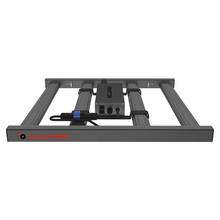
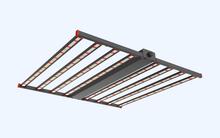
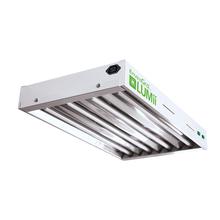
LUMii Black 720w LED Grow Light
£499.00
£249.99
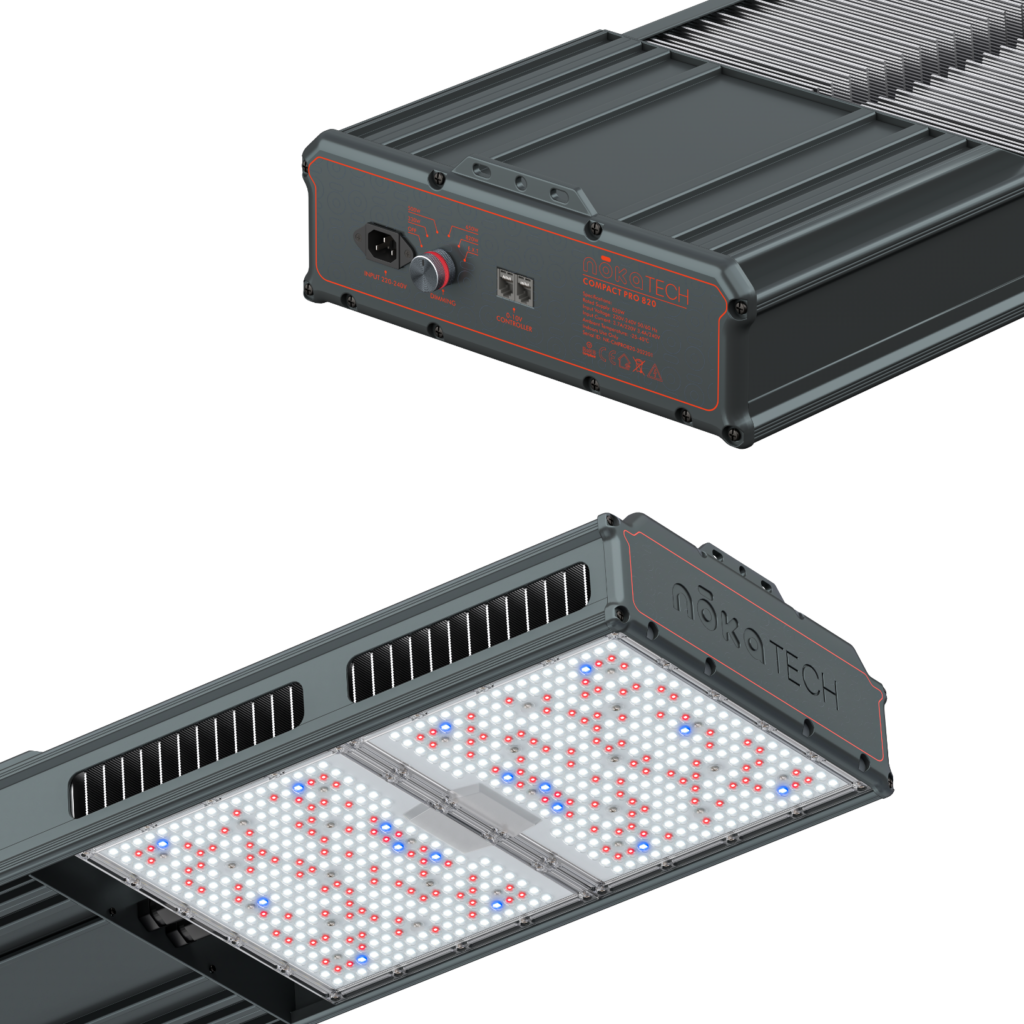
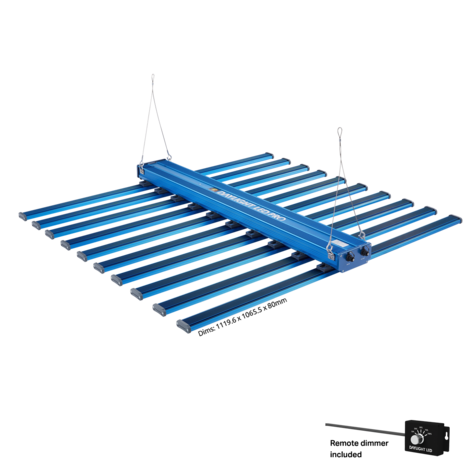
Quick Answer: Grow lights provide the spectrum and intensity plants need when natural sunlight is limited. The best option depends on your growing area, plant type and stage of growth. LED grow lights offer excellent efficiency and full-cycle performance, while HPS, fluorescent and specialist propagation lighting remain useful for particular applications.
Shop indoor grow lights for propagation, vegetative growth, flowering and commercial plant production at Doctor Blooms. Our range includes energy-efficient LED grow lights, traditional HPS lighting, complete grow light kits, propagation fixtures, replacement lamps and essential lighting accessories.
Whether you are lighting a compact grow tent, a dedicated grow room, a greenhouse propagation area or a larger cultivation facility, choosing the correct fixture helps plants develop stronger growth, healthier canopies and more productive flowering.
New to indoor cultivation? Read our Hydroponics Explained guide to learn how lighting, irrigation, nutrients, ventilation and environmental control work together.
Indoor plants need more than a bright lamp. A suitable grow light must provide enough usable light across the entire canopy while matching the size of the growing area, the heat-management capacity of the room and the requirements of the crop.
Efficient full-spectrum fixtures with excellent light distribution, reduced heat output and options for small tents through to commercial grow rooms.
Proven high-intensity lighting with strong canopy penetration and powerful flowering performance for growers able to manage the additional heat.
Lower-output LED, TLED and fluorescent lighting for seedlings, cuttings, young plants, mother plants and early vegetative growth.
High-output fixtures, lighting controllers and scalable solutions for larger cultivation rooms, vertical farms and professional facilities.
Start by measuring the actual plant canopy rather than the outside dimensions of the room. A grow light should provide even coverage across that area without creating excessive heat, dark edges or intense hotspots.
Need help choosing? Doctor Blooms can help you compare fixture power, coverage, efficiency, hanging height and environmental requirements. Call 01279 501857 or visit our Bishop's Stortford showroom for practical lighting advice.
Grow lights allow plants to receive the light energy they need when natural daylight is unavailable, inconsistent or too weak. They are used for raising seedlings, maintaining mother plants, supporting vegetative growth and producing flowering crops throughout the year.
The right fixture depends on the size of the plant canopy, the growth stage, the available headroom, environmental control and the level of output required. A small propagation area may only need a low-energy fixture, while a dense flowering canopy requires significantly more light intensity and more even distribution.
Each type of grow light has different strengths. LED fixtures provide excellent efficiency and control, while HPS remains popular for high-intensity flowering. Propagation lamps and fluorescent fixtures are best suited to lower-light applications.
| Lighting Type | Best For | Heat Output | Efficiency | Typical Use |
|---|---|---|---|---|
| LED | Full-cycle growing | Low to moderate | Excellent | Tents, grow rooms and commercial facilities |
| HPS | Flowering and high-output growing | High | Good | Grow rooms with strong ventilation |
| CFL and T5 | Seedlings and cuttings | Low | Moderate | Propagation and mother plants |
| TLED | Propagation and low-profile spaces | Very low | Very good | Shelving, tents and propagation racks |
| Under-canopy LED | Lower canopy illumination | Low | Very good | Supplementing dense flowering canopies |
LED grow lights are the preferred choice for many modern indoor growers because they convert electricity into usable plant light efficiently and produce less radiant heat than traditional HID fixtures. Full-spectrum LED fixtures can support propagation, vegetative growth and flowering without changing lamps between growth stages.
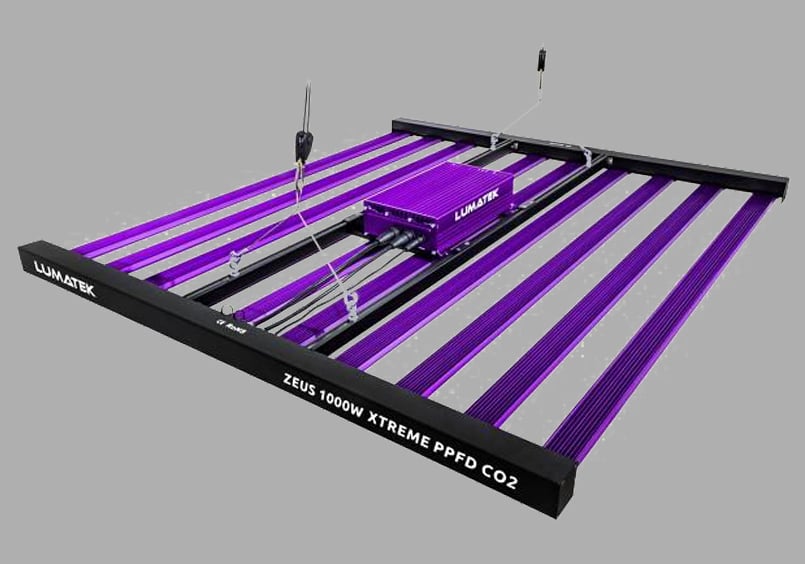
Bar-style fixtures spread light across a wide canopy, helping reduce intense hotspots and dark edges. Many LED systems also include dimming, external control connections and removable drivers, giving growers more control over light intensity and room temperature.
High-pressure sodium grow lights have been used successfully for indoor flowering for many years. They deliver powerful light intensity, excellent penetration and dependable crop performance, making them a practical choice for growers who already have suitable ventilation and temperature control.
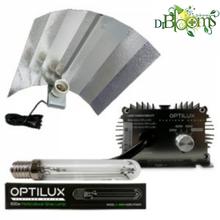
HPS systems normally include a ballast, reflector and replaceable lamp. They produce more heat than modern LEDs, so adequate extraction and safe spacing from plants are essential. They remain a strong option where initial equipment cost, familiarity and high-intensity flowering performance are the main priorities.
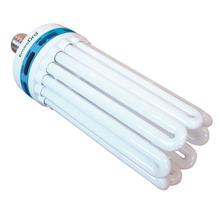
Young plants need consistent light, but they do not normally require the same intensity as established flowering plants. TLED, fluorescent and compact LED fixtures are suitable for seedlings, cuttings, clones, mother plants and early vegetative growth.
Their low heat output allows them to be positioned closer to plant material, which is useful in propagators, shelving systems and compact tents. Multiple fixtures can also be arranged to provide even coverage over trays and propagation benches.
Dense plant canopies can prevent overhead light from reaching lower leaves and flowering sites. Under-canopy grow lights are positioned beneath or alongside the canopy to provide additional illumination where the main fixture cannot reach effectively.
They are generally used as supplementary lighting rather than a replacement for overhead fixtures. Correct placement is important to avoid physical damage, water contact and uneven exposure.
Choose lower-intensity LED, TLED or fluorescent fixtures that provide even coverage without excessive heat. Dimming is useful when young plants are especially sensitive.
Compact full-spectrum LEDs are ideal for smaller tents because they provide good efficiency, manageable heat and broad canopy coverage from a low-profile fixture.
Established flowering plants need strong and evenly distributed light. High-output LED bars and HPS systems are commonly used where productive flowering is the priority.
Mother plants need stable vegetative lighting that supports healthy ongoing growth without unnecessary energy use. Dimmable LEDs and propagation fixtures are well suited to this role.
Larger facilities benefit from high-efficiency fixtures, uniform layouts, central dimming and reliable environmental control. Lighting should be planned around canopy dimensions rather than room size alone.
Supplementary grow lights can extend day length, improve seasonal consistency and support propagation when natural light levels fall below crop requirements.
Grow light requirements should be based on the plant canopy, not simply the wattage printed on the fixture. Two lights using the same amount of electricity can produce different usable light outputs and very different coverage patterns.
Check the manufacturer's recommended vegetative and flowering coverage. Flowering coverage is usually smaller because plants require greater intensity at this stage. A fixture that is suitable for a large vegetative area may only cover a smaller flowering canopy effectively.
PPFD measures the quantity of photosynthetically active light reaching a surface each second. It is more useful than wattage alone because it helps show how much usable light reaches the plant canopy and how evenly that light is distributed.
PPF measures the total amount of photosynthetically active light produced by the fixture. Efficiency is normally expressed as micromoles per joule. A more efficient fixture produces more usable plant light from each unit of electricity consumed.
Hanging height affects both intensity and coverage. Positioning a light too close can create excessive intensity and uneven hotspots, while hanging it too high can reduce useful light at the canopy. Begin with the manufacturer's recommendation and adjust gradually while monitoring plant response.
Important: Wattage alone does not show whether a light is suitable. Compare fixture efficiency, total output, coverage maps, hanging height and canopy uniformity before buying.
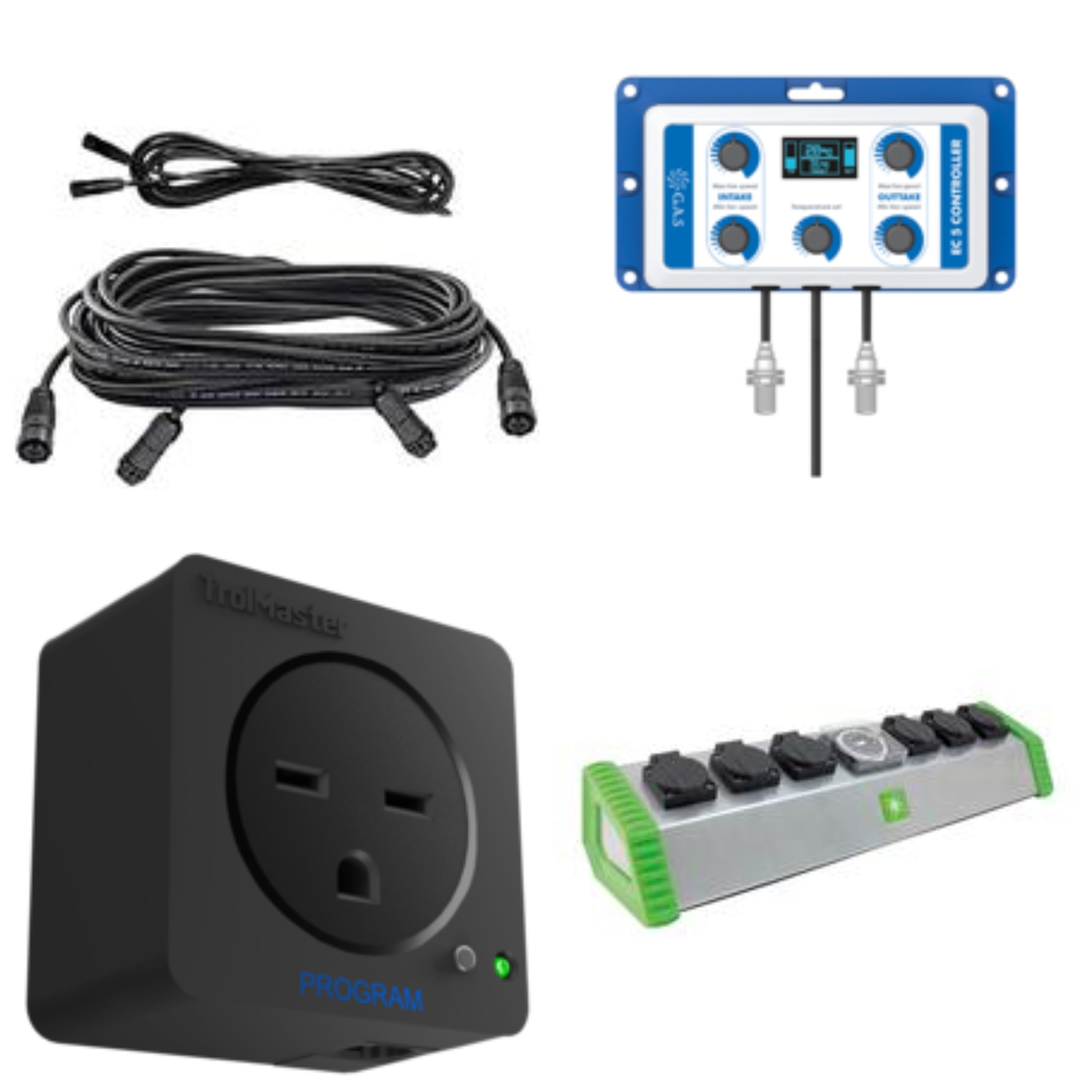
Lighting controllers allow compatible fixtures to be dimmed, switched and scheduled from a central point. This is useful in larger rooms and during early growth stages when plants do not yet require the maximum output of the lighting system.
Gradually increasing intensity can reduce unnecessary electricity use and help young plants adapt. Some controllers also support sunrise and sunset simulation, temperature protection and multiple lighting zones.
Doctor Blooms stocks grow lighting from established manufacturers covering entry-level propagation, full-cycle indoor cultivation and larger professional installations.
Lumatek offers efficient LED bar fixtures, compact full-spectrum lights, controllers and traditional HID equipment for small tents through to professional grow rooms.
SANlight produces high-efficiency modular LED grow lights designed for strong output, reliable thermal management and professional indoor cultivation.
Dimlux is known for controllable grow lighting, high-output HID systems and advanced integration with environmental and lighting controllers.
Nokotech supplies high-output LED fixtures for demanding indoor cultivation, including full-spectrum bar lights and specialist supplementary lighting.
Gavita has a long history in professional horticultural lighting and offers fixtures designed for consistent output, reliable control and large-scale growing.
Maxibright and LUMii provide practical lighting options for hobby growers, including complete kits, ballasts, reflectors, lamps and compact LED fixtures.
We help growers compare output, coverage, efficiency, heat load and controller compatibility rather than choosing by wattage alone.
Our range covers compact propagation fixtures, complete tent lighting and scalable solutions for larger cultivation facilities.
Choose from respected lighting manufacturers with options for full-cycle growing, flowering, propagation and supplementary lighting.
Visit our Bishop's Stortford showroom to discuss your growing area, crop requirements and environmental setup with our experienced team.
Grow lights provide artificial light for indoor plants, seedlings, cuttings, mother plants, vegetative growth and flowering when natural daylight is insufficient.
A dimmable full-spectrum LED is a good choice for many beginners because it can support several growth stages, produces manageable heat and normally requires less maintenance than lamp-based systems.
Yes. Many full-spectrum LED grow lights can be used from early vegetative growth through flowering. Intensity and hanging height should be adjusted as plants develop.
LED lights are generally more efficient and easier to manage thermally, while HPS systems can offer strong intensity and lower initial equipment cost. The better option depends on the room, budget and existing environmental equipment.
Measure the plant canopy, identify the crop stage, check recommended coverage, compare efficiency and output, allow sufficient hanging height and make sure the room can remove the heat produced by the fixture.
Hanging height varies between fixtures and growth stages. Start with the manufacturer's recommendation and adjust gradually while watching for stretching, bleaching, leaf curling or excessive heat.
Yes. All grow lights ultimately add heat to the growing environment. Efficient LEDs usually produce less heat for the same usable light output than older HID systems, but ventilation or cooling may still be required.
No. Wattage shows electrical consumption, not how much usable light reaches plants. PPF, PPFD, fixture efficiency, coverage and canopy uniformity are more useful when comparing grow lights.
Yes. Contact Doctor Blooms with your room dimensions, canopy size, crop type, target light level and environmental equipment for help comparing suitable lighting options.
Whether you are setting up your first grow tent or planning a larger commercial cultivation room, Doctor Blooms can help you compare lighting output, coverage, efficiency and environmental requirements.
Call 01279 501857 or visit our Bishop's Stortford showroom for expert advice.